

Lake Oconee Academy (LOA) is developing an Alternative/ Non-Traditional Education Program (AEP) to handle students who are disruptive in class, miss too many days of school, or are not accumulating enough credits for graduation.
Georgia requires such programs be available “to serve students in grades 6-12 with appropriate due process,” whether they are expelled from school or are more likely to succeed in a non-traditional setting.
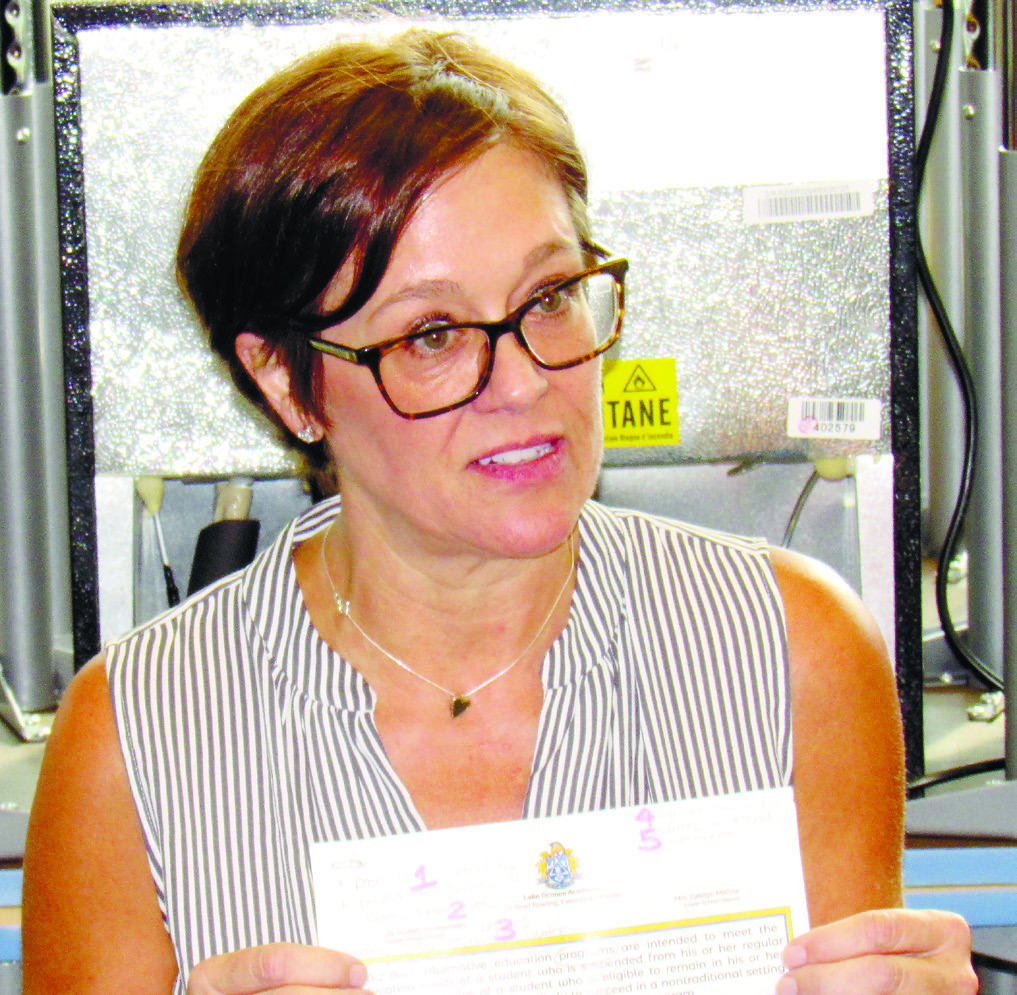
LOA Upper School Director Beverly Montgomery told the school’s Board of Governors Monday night that enrollment has grown and a program is needed.
“At one point it didn’t seem like anything we really needed to address but we have some issues that we need to be able to have options to deal with,” she said.
Montgomery stated that in the five years she’s been at LOA there have only been about six times when an alternative option was needed for a student, but three of those came in the last school year.
In the past, LOA Executive Director Brad Bowling said LOA did have access to the Greene County alternate school program, which has been in place for years, but Montgomery said that one case this past school year led to LOA’s plan to start its own program.
“We had a situation this year where a student should have gone to the alternative placement and we were denied access to the alternative school here in Greene County,” she said, adding that to comply with state law, LOA came up with some “workaround” plans that were acceptable to the parents.
School Superintendent Chris Houston told the Lake Oconee News Tuesday that state law does not specifically require the local district to offer alternative school services to an operationally autonomous charter school. He added that it could be a discussion point during the current charter renewal process but LOA has not made such a request.
In a case he remembers about mid-year, Houston said a state-required independent tribunal had not been held. A tribunal guarantees the student’s right to due process.
“The only way that a student can be given entry into the district’s behavioral AEP program,” Houston said in an email, “is by having an independent tribunal or waiving the right to a tribunal, which is a requirement of the state statute.”
Montgomery said in Monday’s meeting that “we were denied access to the tribunal process and the Alt ( alternative) school.”
Regardless, LOA now prefers to have its own program.
“We want to be in control of what happens,” Montgomery said. “If we have to send a kid to an alternative school, they are unenrolled from us and I’m not 100 percent certain that that student would be getting everything that they need from an alternative school.”
Houston said there are typically 10-30 students in the county alternative school each year. Bowling said that less than one percent of LOA students would need to be involved, so for LOA, creating its own program is more of a precaution and legal issue.
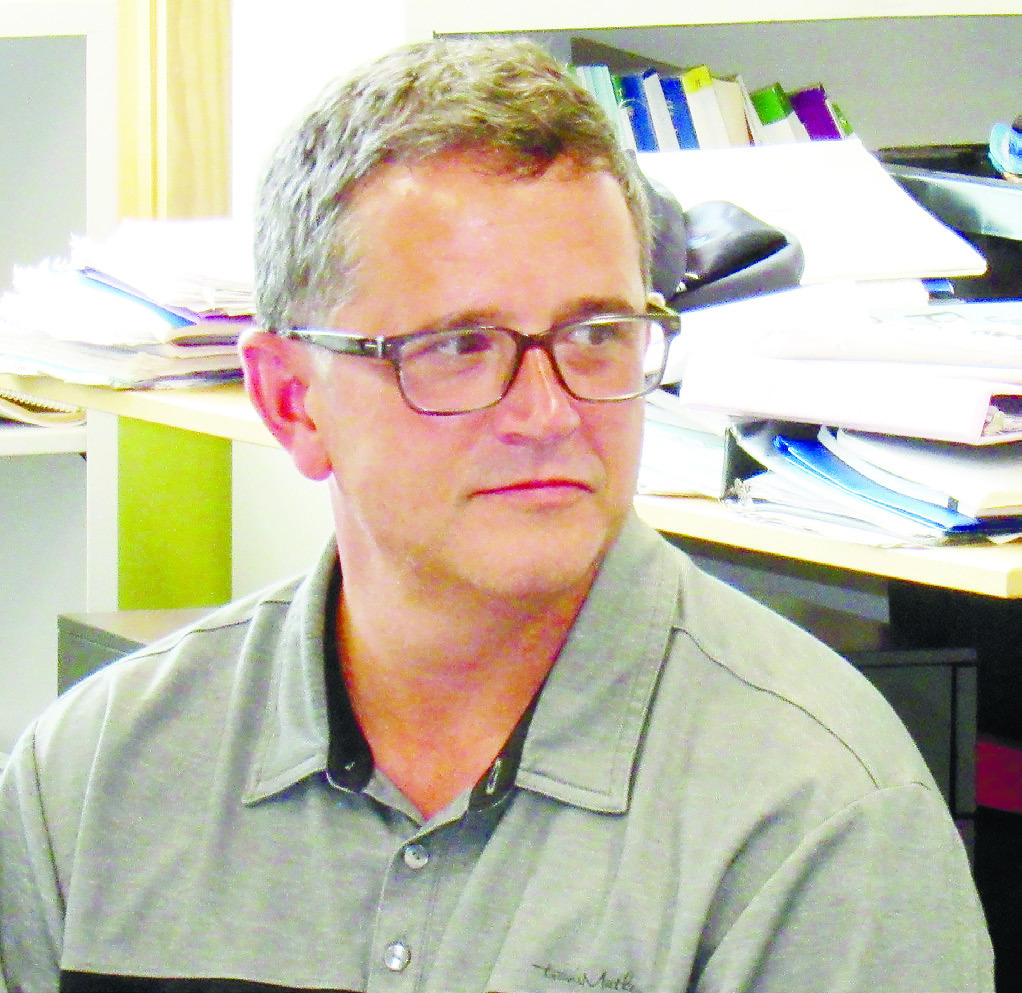
“I don’t want to send the message that the kids are out of control and this is an unsafe place,” Bowling said. “We needed to create something here that should the need arise, they (students) were interfering with the education or violating the safety of our students, that we would have an option get them to serve in alternative education.”
In other action at Monday’s meeting of the LOA Board of Governors:
• Board Chairman Michael Tompkins said they have not received a response from the school district about LOA’s application for a charter renewal. BOE Chairman Perry Lee was at the meeting and said he expected a list of clarifying questions would be sent to LOA following a called meeting Wednesday, July 12. Lee indicated the district would also ask LOA to extend the current state-mandated deadline of July 18 for the renewal process to be completed.
• Bowling said that there is a statewide embargo on the release of the past year’s Milestones test scores. He expects to report on them at the August board meeting.
• LOA is also developing a smoke-and-drug-free campus policy.
• The board approved a $15.6 million budget for the 2023-2024 school year.