
GREENE COUNTY
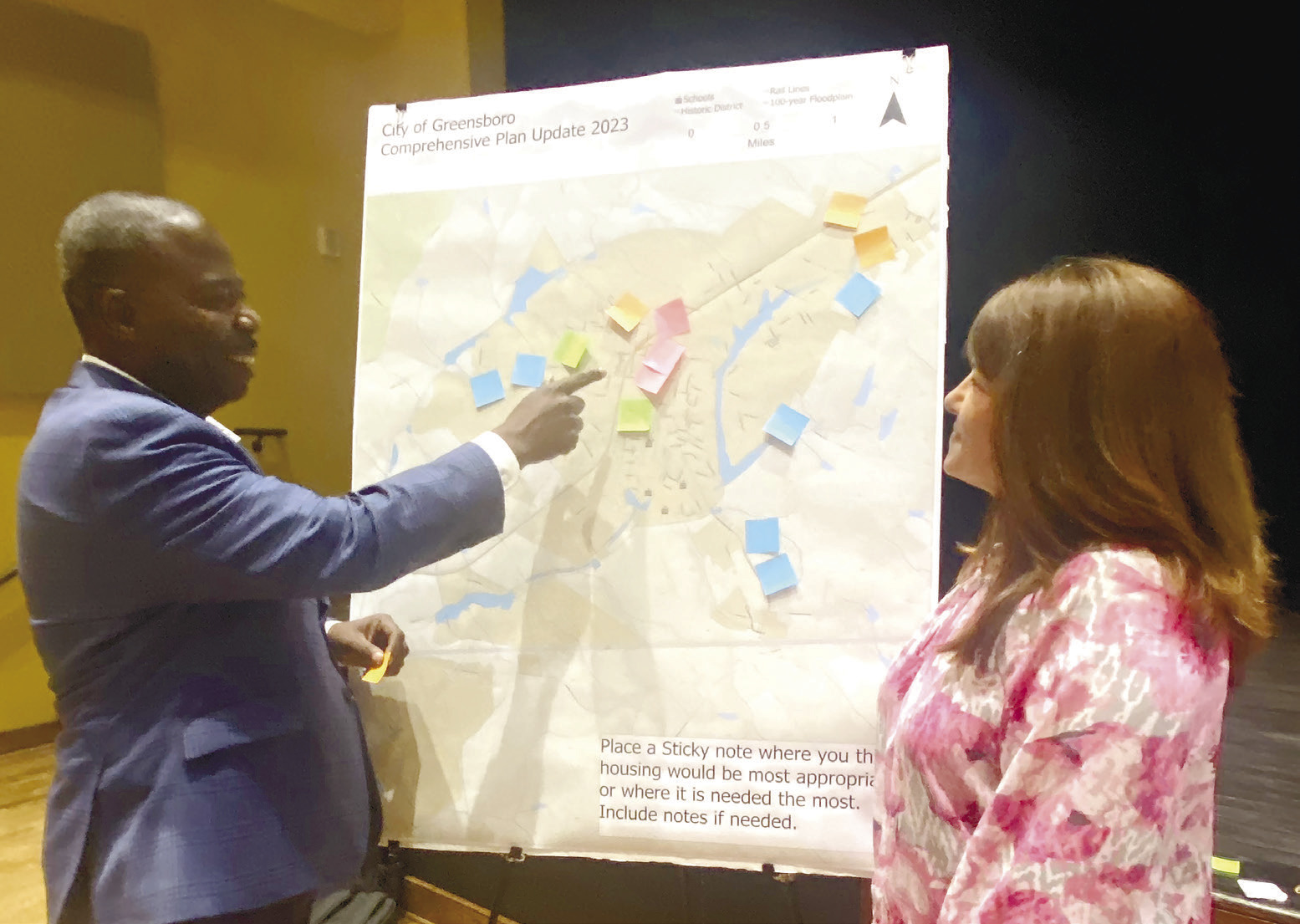
Last week, the city of Greensboro kicked off its comprehensive planning process in an effort to help define and chart priorities needed for the city.
Jarvis Sims, the new city manager, and several Greene County officials are on the steering committee, including Steve Kilgore, BOE board member; David DuBois, county economic development director; and Gary Usry, Greene County Commission chairman.
The city plans to incorporate other important components of the county in which it resides.
The steering committee also includes key charity and city officials, and it was Sims who took a vocal role at the meeting to initiate discussion and ideas. Sims most recently served as the interim county manager for Newton County, and he came on board as Greensboro city manager on May 1.
City Councilman Chris Moore also has a seat.
Other city officials include its economic development manager, Cail Hammons, and Kendrick Ward. The plan is expected to come on the heels of input received from the community from a public survey available both online and at the public library.
As of the kickoff, only 50 responses have been received. According to Kilgore, a separate survey went out to the high school for student input as well.
The deadline for submission is June 17.
According to the Georgia Department of Community Affairs (DCA), which is tasked with assisting local governments, comprehensive planning follows a five-year timeline.
The planning is expected to help shape guidelines, suggestions, and strategies for growth and development. Effective planning helps ensure that future development will occur where, when, and how the community and local government wants.
More importantly, the planning helps the city become a designee for access to a special package of financial resources to aid in implementing their plans. This includes Community Development Block Grants, water and sewer loans from the Georgia Environmental Finance Authority, and a variety of other DCA partner agencies.
The major initiatives for the last 2019 plan included goals and policies for: Building social capital for area residents; improving the quality and affordability of housing with specific code and zoning adjustments; strengthening downtown by concentrating new growth within the city’s footprint; establishing appropriate development strategies; expanding safe transportation options; leveraging natural and cultural resources; maintaining and expanding broadband access; identifying community partners; developing a local workforce to create employment opportunities; and strengthening regulatory and procedural practices.
It is unclear what metric management tools have or were used to help ensure that former goals have been met.
The group was largely silent when asked about some key benefits and action items but contributed several comments made toward housing and economic interest in the city.
“What are some reasons to come to Greensboro?” asked Chuck Rowland, vice president of the Thillen Education Foundation and the Boys and Girls Club Board Chairman. “There seems to be no magnet that draws people into the city as Madison does so well.
Despite drawing a lot of people to the county, the downtown area needs to be thriving.”
Affordable housing continues to be of main concern as there are not a lot of affordable opportunities, defined as $275,000 to $400,000 dollars.
According to the DCA, household income in the city is a lot lower compared to other municipalities.
The committee agreed that more housing is needed north of I-20 and feasible intermediary plans are needed as bigger builders are moving toward Putnam County.
“I am happy we are moving in the right area with these plans and continue to identify new resources,” Sims said. “We could look at things on a regional level and see what we could bring here in terms of implementation.”