
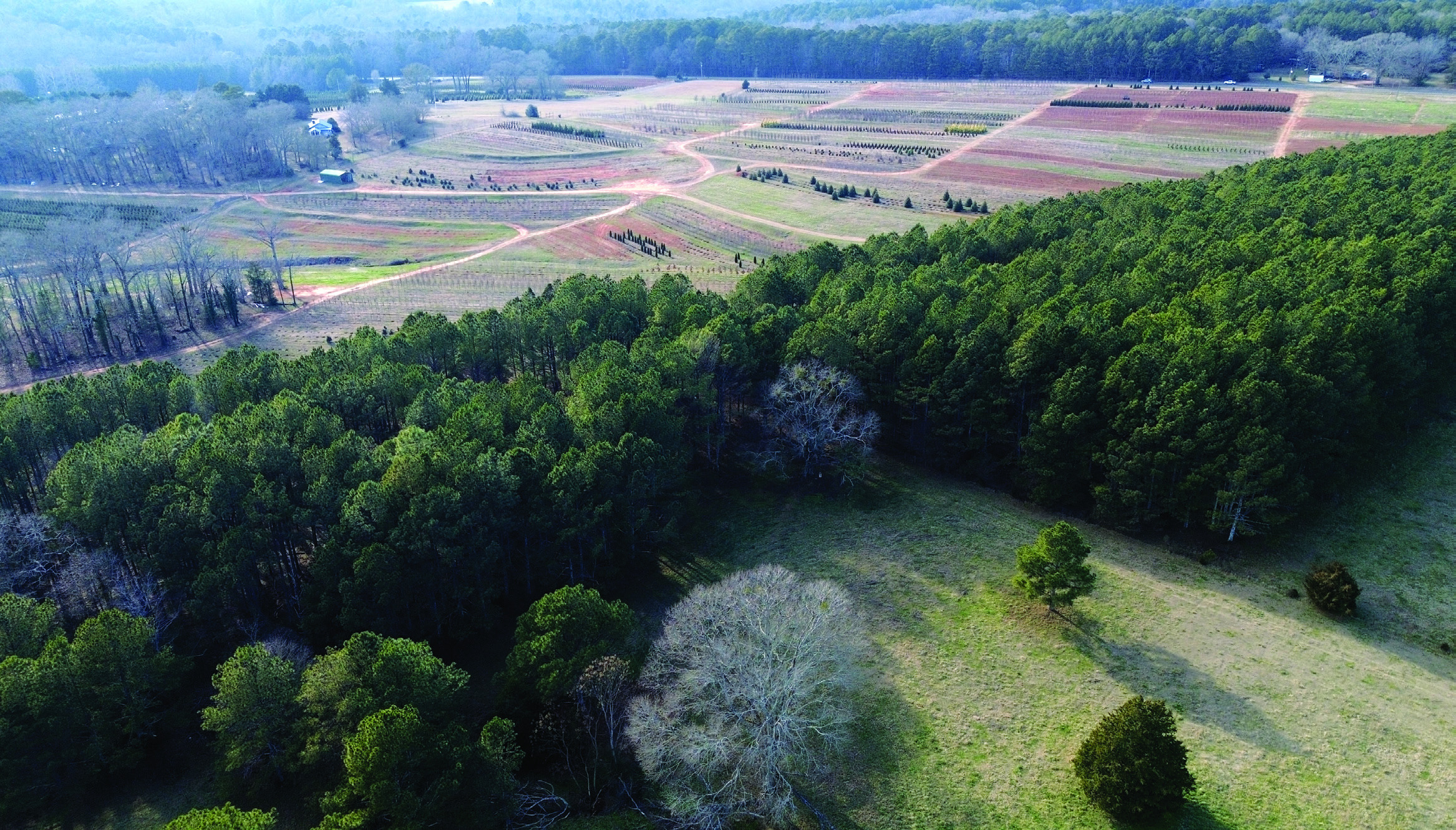
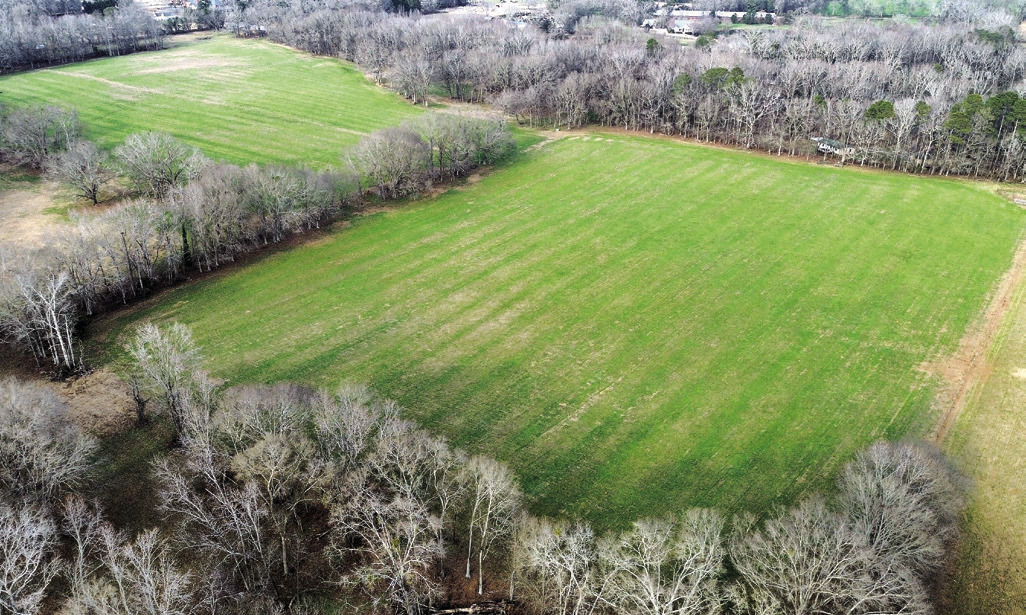
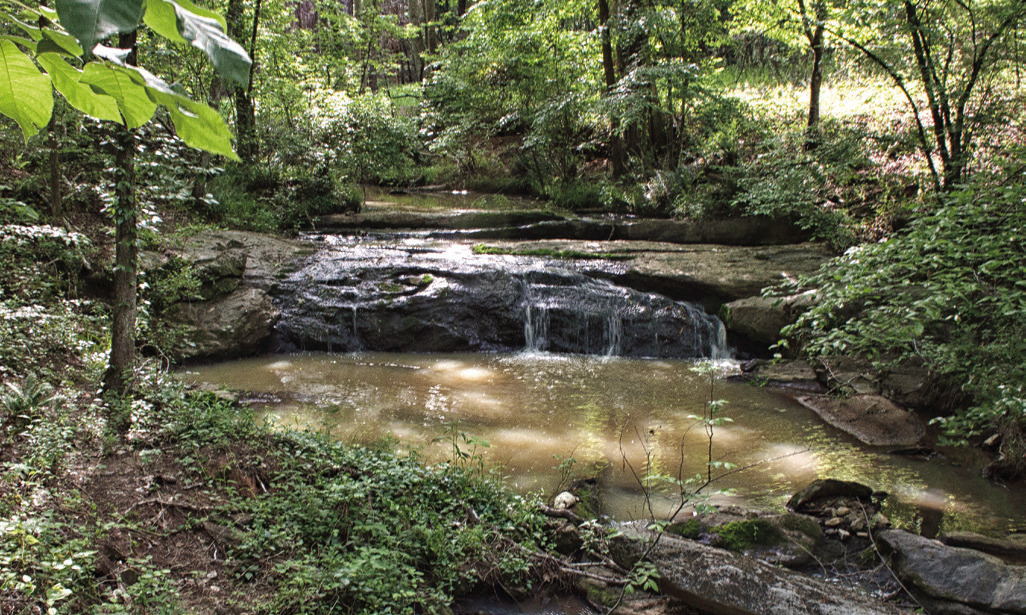
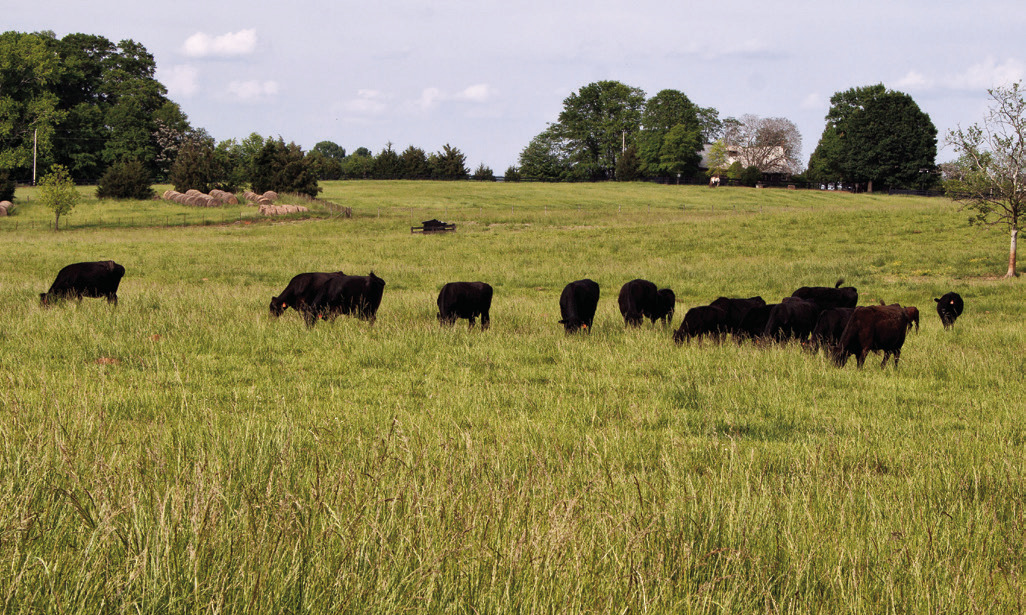
The Madison-Morgan Conservancy recently presented a funding request for the county Farmland Protection program to the Morgan County Board of Commissioners during its Feb. 17 work session.
The commissioners initially adopted the Morgan County Farmland Protection Program in July 2024, making it the third “county-funded” program in Georgia, in partnership with the local nonprofit organization Madison-Morgan Conservancy, which has operated in the county since 2000.
During the session, Christine Watts, executive director of MMC, presented to the board on changes in the county’s agricultural production and “increasing development pressure.”
“We asked to present to the Board of Commissioners because development pressure in Morgan County is no longer theoretical — it’s happening now,” Watts told Lake Oconee News. “Our agricultural economy ranks among the strongest in the state, yet we’re also experiencing increasing growth from surrounding metro areas.”
Watts described the Farmland Protection Program as a “proactive tool to keep farming viable” before the area reaches a “tipping point.”
In an attempt to combat the growing development pressure, in 2024, the MMC expanded its work from “outreach” and assisting landowners to accepting conservation easements from local farmers. By selling conservation easements through the Farm Bill, farmers receive cash for permanent protection of their land, preventing future development on their parcels.
“A conservation easement is a voluntary, permanent agreement between a landowner and a qualified organization that limits future development while keeping the land in private ownership and on the tax rolls,” Watts said. “The farmer is paid for giving up development rights, which helps them reinvest in their operations or plan for succession.”
Watts says that the land plots, or “projects,” in the running for easements are ranked based on how dire the need for protection is. The BOC created the local farmland protection program to receive federal land conservation funds.
“The Federal Farm Bill includes a program called the Agricultural Conservation Easement Program, or ACEP, which provides federal dollars to protect farmland permanently, but those dollars require a third-party match,” Watts said. “That’s where the Board of Commissioners stepped up. Over the last several years, they have committed up to $250,000 annually to create a county-funded match (the Morgan County Farmland Protection Program), allowing Morgan County to compete for and leverage federal funds that would otherwise go elsewhere.”
According to Watts, land projects must accrue points to rank highest and receive permanent protection. Projects applying for funding must receive a 25% “third-party match” to accrue the maximum number of points for the match.
Watts says that the MMC applied for two projects for land easement protection funds through the Farm Bill in 2024, as the local farmland protection program began. She says the first two project were funded in part because they each had a 25% match (12.5% from the commissioners and 12.5% from the conservancy). The third project did not rank high enough to get funded because of a combination of a lack of a 25% match (commissioners approved funding for 12.5%) and because the land contained less than 50% prime agricultural soils.
Watts spoke to the commissioners during their Feb. 17 work session because she hopes they can consider funding on a regular 25% match basis. She says that without the required funding for land protection, the farms will not qualify, and therefore, it is unfair to the farmers, given the time and money they put into their application.
Overall, Watts says she expects a final solution from the BOC within the coming months. She believes it is important to have projects fully funded to continue their work helping farmers fight to protect their land.
“As development pressure increases — what many call urban sprawl — the value of development rights rises, making this tool [conservation easements] even more critical,” Watts said. “We hope the board will continue its strong support so we can keep local farms intact, protect our agricultural economy, and manage growth thoughtfully.”