
GREENE COUNTY
Beacon Management Services, a property management company headquartered in Atlanta, may manage several properties throughout the state, but its newest client, Harbor Club here in Greensboro, maybe its toughest initially.
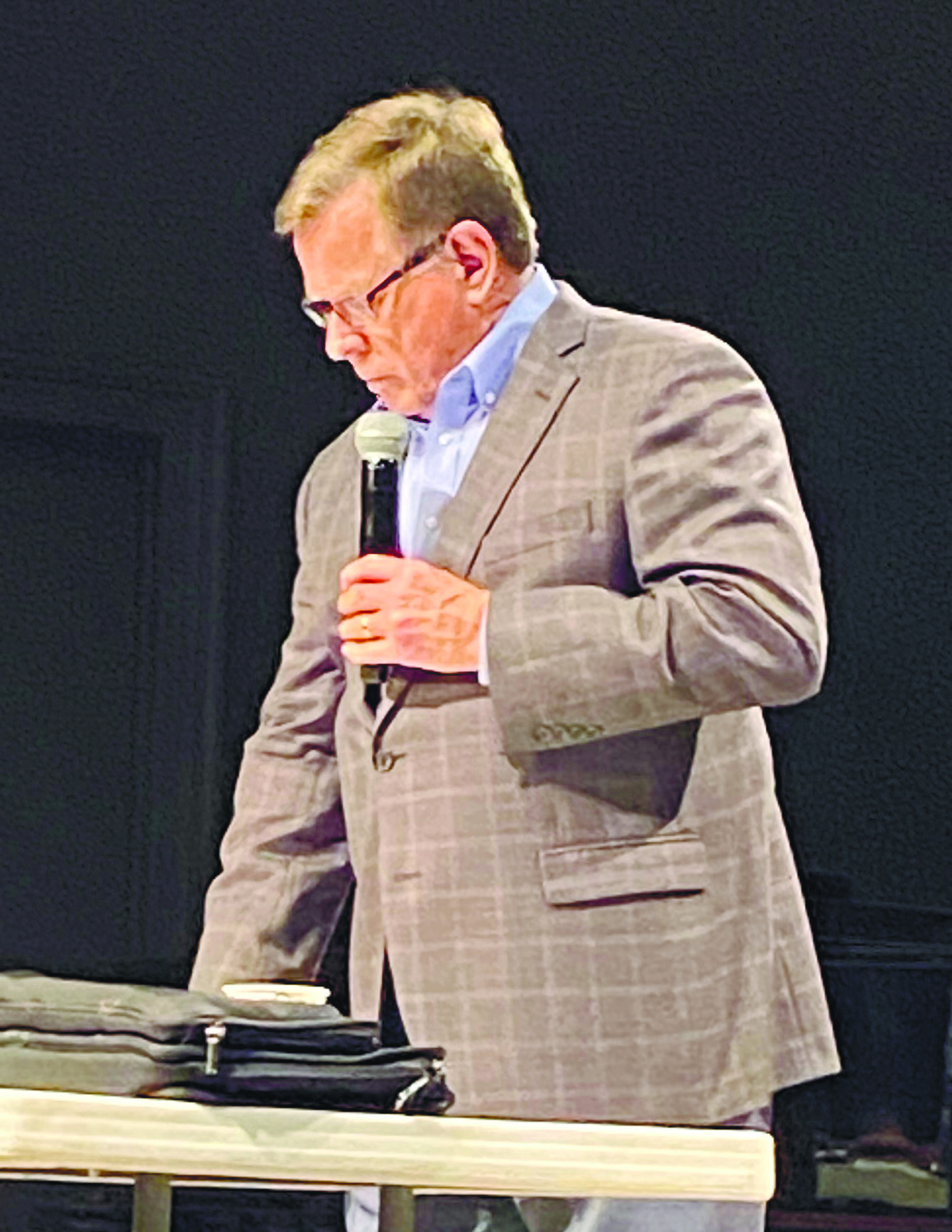
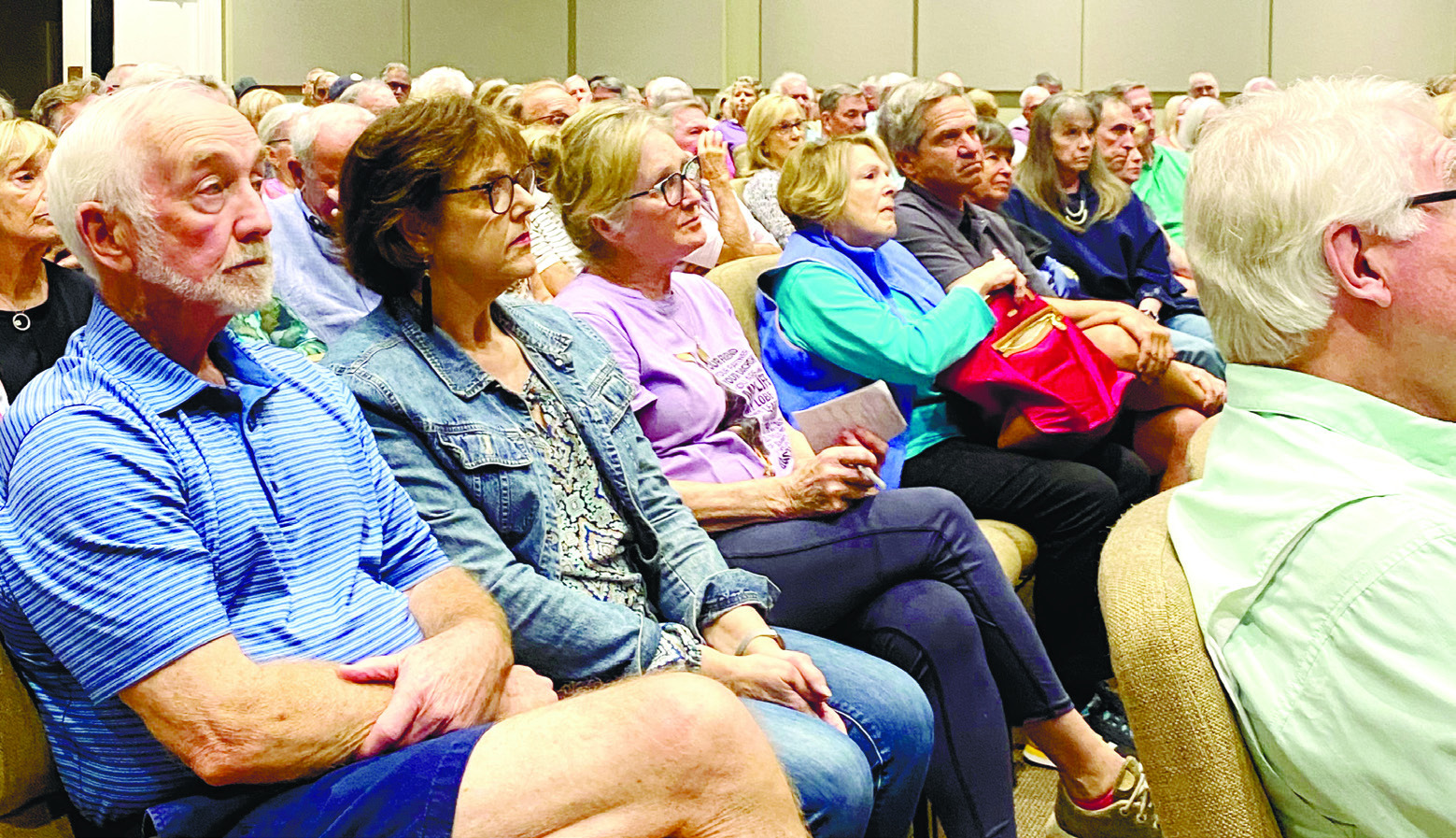
With an unexpected jump of a 40-percent rate hike unforeseen by many, residents of Harbor Club convened recently at Lakeside Church to hear Beacon’s plans to both address and maintain the subdivision, now more than 20 years old.
Part of the real estate industry, management services are critical to the operating services and accountability to homeowners in the subdivisions they manage.
They wield a tremendous amount of authority and governance within the state. The Georgia Property Owners Association Act oversees the creation, management, authority, and operation of such associations in the state. The act essentially accords the right to govern the formation, management, powers and operation of applicable associations. Homeowners Associations in the United States manage more than 355,000 communities nationally, with more than 27 percent of all homeowners now living in HOA communities.
Georgia’s percentage of the population living in HOAs amounts to 21.8 percent, according to the Foundation for Community Association Research.
Beacon claims to provide solution-driven management for its HOA clients. Its website mantle is “Improving Communities, Homes and Lives in Georgia,” and its toughest obstacle may be to assure Harbor Club residents that their concerns have been heard in light of about $35,000 in funds remaining without any reserve funds in the last budget.
Steve Weibel is the CEO of Beacon and facilitated a comprehensive overview of its services and foreseen priorities. Harbor Club’s board is comprised of its sole source owners, Brandon Matney and his father John Matney of Virginia.
“Homeowner engagement and compliance is key to the successful management of any property we have,” said Weibel. “We know there have been problems and expectations of the property not met. Raising the dues will help meet budget shortfalls and help keep Harbor Club inline with most large communities. An annual $1,000 fee is too small for a community of this size and has contributed to what has been seen as a money and cash flow problem here.”
Last fiscal year, necessary repairs to the roads amounted to almost $700,000 at Harbor Club. Weibel acknowledged that target-focused audits would help identify and bridge wide gaps, and more importantly, create a reserve fund for the community. The stated desire was to have clean and accountable financials that would segregate operating and account receivables.
However, an HOA assessment presented to homeowners could occur and are unknown at this time. Assessments have long been the fear of responsible homeowners who expect fiscal accountability from their management services to the community in foreseeing costs incurred.
An HOA assessment, known as a special assessment, is often a one-time fee that HOAs use to cover expenses, either unbudgeted or unseen. They are also seen as one reason for a mass exodus from communities.
As shared in earlier meetings, roughly 200 homes in Harbor Club are in arrears within the community. After four years, the HOA can no longer connect those fees from homeowners who have chosen not to pay annual dues. Many at the meeting were audibly upset and expressed concerns about the mismanagement by both the existing board and its former service, Team Management LLC of Marietta.
According to Weibel, unknowns about the present year’s expenses and budgeting of priorities within the community continue to grow with new builds.
Weibel acknowledged that Access Management has many considerations to augment the operating budget for homeowners. These would include road impact fees from builders, fees imposed on lot purchases, and more, which would help build income streams available.
Weibel has a tremendous amount of work ahead in demonstrating his accountability to Harbor Club residents. “There has never been enough in funds,” he said.
“There is a process here to begin to build a foundation of fiscal accountability to identified projects and address Harbor Club’s fiscal uncertainty at the moment," he said. "We want to be good fiduciary stewards moving forward.”