
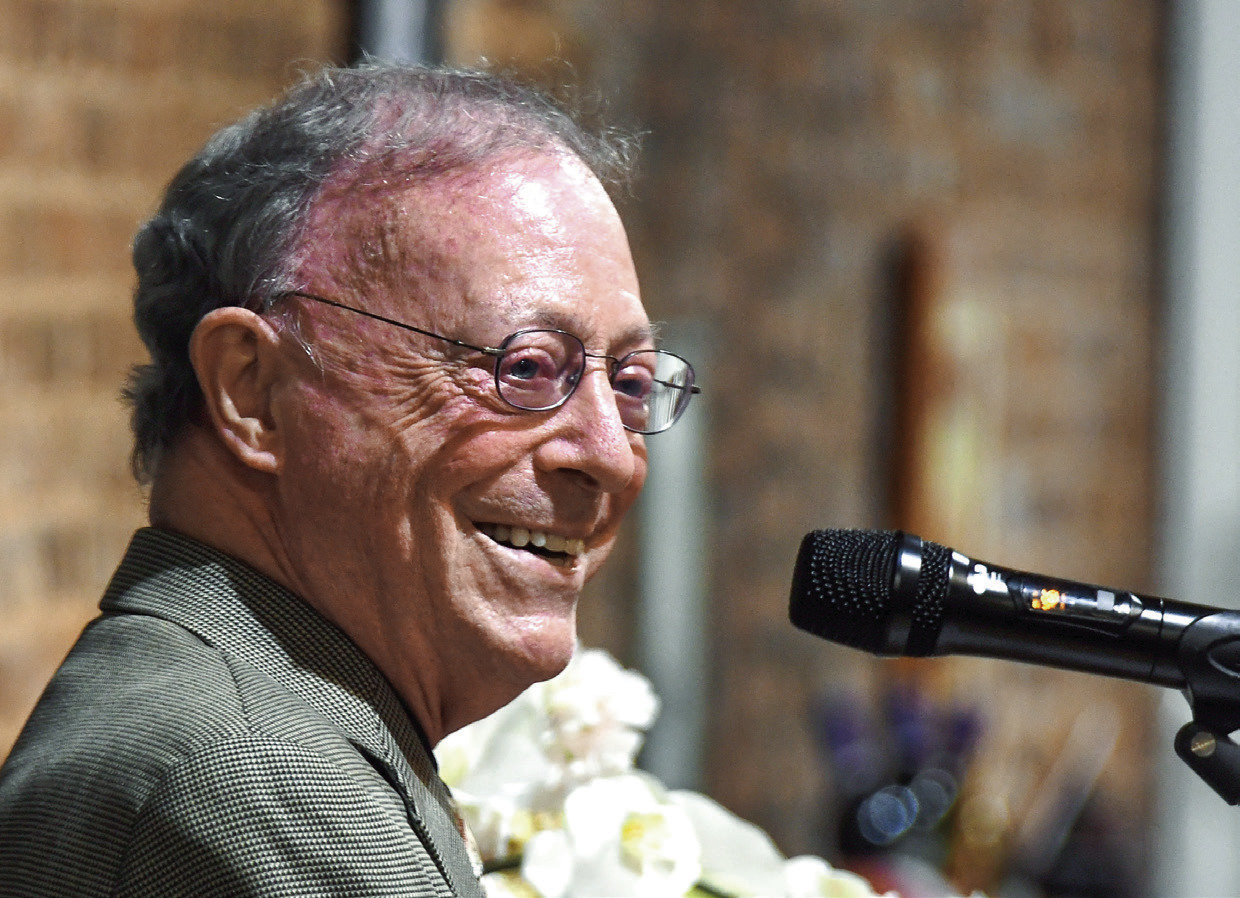
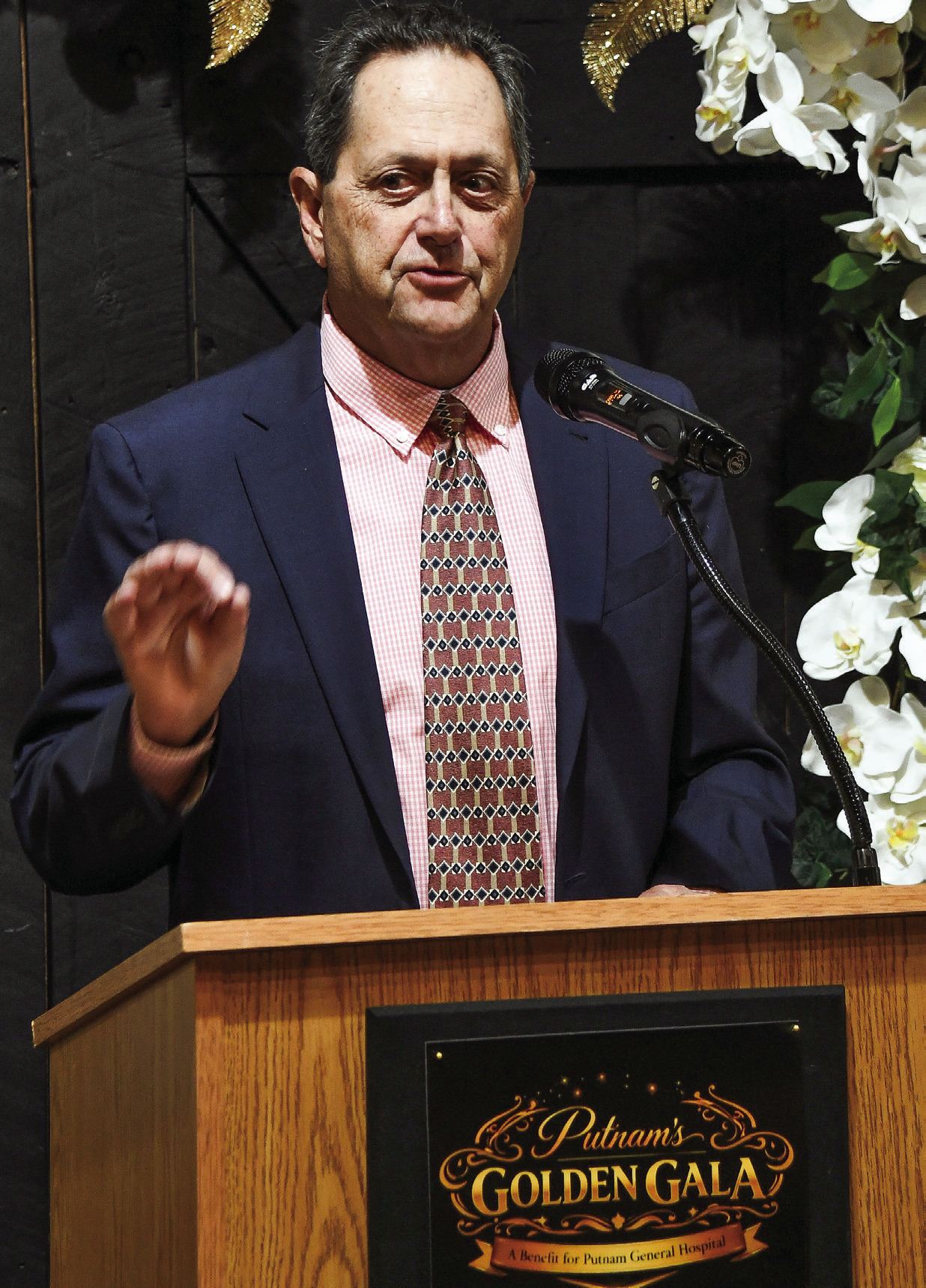
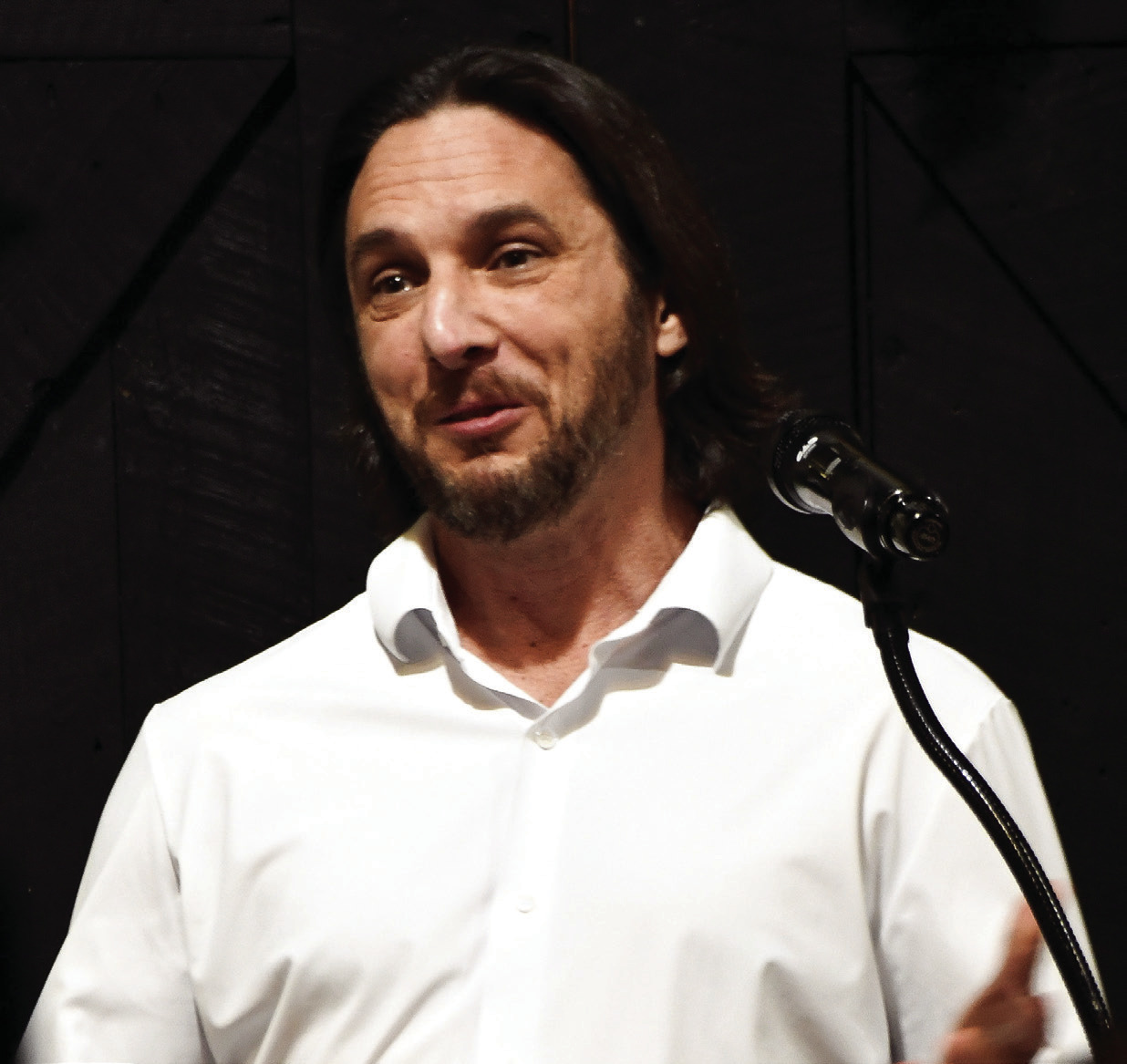
Community pride and purpose filled downtown Eatonton’s Barrel 118 on Saturday night, as Putnam General Hospital (PGH) leaders and supporters gathered for Putnam’s Golden Gala.
The 2026 Leadership Putnam class put together the formal charity event to help sustain and strengthen the hospital’s financial position for the future.
“This is just amazing; I’m so impressed with this Leadership group,” PGH CEO Alan Horton said as the elegant evening began. “These are the future leaders of Putnam County, and they could be the future leaders of Putnam General Hospital.
“I mean, these people see the need for this hospital in the community, and they want to do all they can to make sure that the hospital remains here for the future. I could see some of these Leadership Putnam members being future board members of the hospital.”
Horton explained that there are seven air handler units on the PGH roof providing air conditioning and heat. However, they are each more than 20 years old and need to be replaced. Through fundraising events over the past few months, the 2026 Leadership Putnam class committed to purchasing two air handlers, totaling approximately $140,000.
“The leadership group recognized our need and pledged to help us out. I’m so impressed by what they’ve already raised, and I think this event tonight will put them over the top,” Horton said.
While the evening was ultimately about addressing financial challenges faced by PGH, it also celebrated the hospital’s triumphs and staff, with speakers emphasizing that quality care in a rural community depends as much on local support as on medical expertise.
“A hospital is really made up of people,” local business owner and gala co-organizer Myrna Taylor said, underscoring the human side of healthcare. “It’s the nurse who stays a little longer, the physician who listens a little closer, the volunteer who offers comfort, and the community that stands behind them all.”
Hospital board member Lou Benjamin followed with a candid look at the financial realities facing small hospitals.
“Of the 22,000 patients that we see each year, we don’t get reimbursed all of the money that goes out the door,” Benjamin explained, adding that about 13% of PGH patients generate no reimbursement at all. “That’s why donations are so important.”
He also pointed to programs like the Georgia HEART tax credit program as a simple but impactful way for residents to support the hospital. The HEART credit simply redirects state taxes owed to a rural hospital of the taxpayer’s choice.
“It doesn’t cost you anything extra, and it generates a ton of cash for the hospital. It’s that easy,” Benjamin said, adding PGH can assist taxpayers interested in joining the HEART program.
Benjamin also cited employee retention, advanced imaging technology, and specialized therapy programs as examples of PGH excellence. He noted nearly 20% of staff have served more than 20 years, and patient demand continues to grow, with approximately 22,000 patients treated annually at PGH.
“People do have a choice where they go for their care. And they’re choosing Putnam General,” he said.
The impact of those services became personal as Eatonton resident Michael Homeier shared his experience navigating recovery close to home. After undergoing a double lung transplant last year in Nashville, Homeier called the ability to receive follow-up care locally “life-changing.”
“When you’re not feeling well, just being able to get home quickly and lie down is really a huge benefit,” he said. “If you can get equivalent quality care at your five-minute-away destination, well, I was happy to take that instead of getting on the freeway back to Nashville, or Atlanta, or Athens.”
Homeier credited the hospital’s rehabilitation, laboratory, and emergency services with helping to restore and retain his independence.
“Take it from me,” he said. “Putnam General Hospital is a real gem, and I’m so happy and thankful to have it here.”
PGH emergency room physician Dr. Dan Bennett closed the evening with a powerful story illustrating the hospital’s role as a critical safety net. In recounting the emergency delivery of premature twins last fall at the facility, Bennett described the intensity of practicing rural medicine with limited resources.
“We’re not set up for deliveries at all, much less two at once,” he said.
Yet, through teamwork, preparation, and improvisation, Bennett and his staff stabilized both infants before transferring them to a larger facility.
“If we’re going to have a successful outcome, we have to turn that fear into focus,” Bennett stressed.
Despite weighing less than two pounds each, both babies survived, a result Bennett credited not only to medical staff but to community backing.
“This is your story as much as mine,” he told the audience. “If this hospital weren’t here, those girls wouldn’t be here now. So, it’s because of your support that they’re alive.”
Throughout the evening, that message resonated clearly: in Putnam County at least, the hospital's strength remains inseparable from the strength of the community standing behind it.