
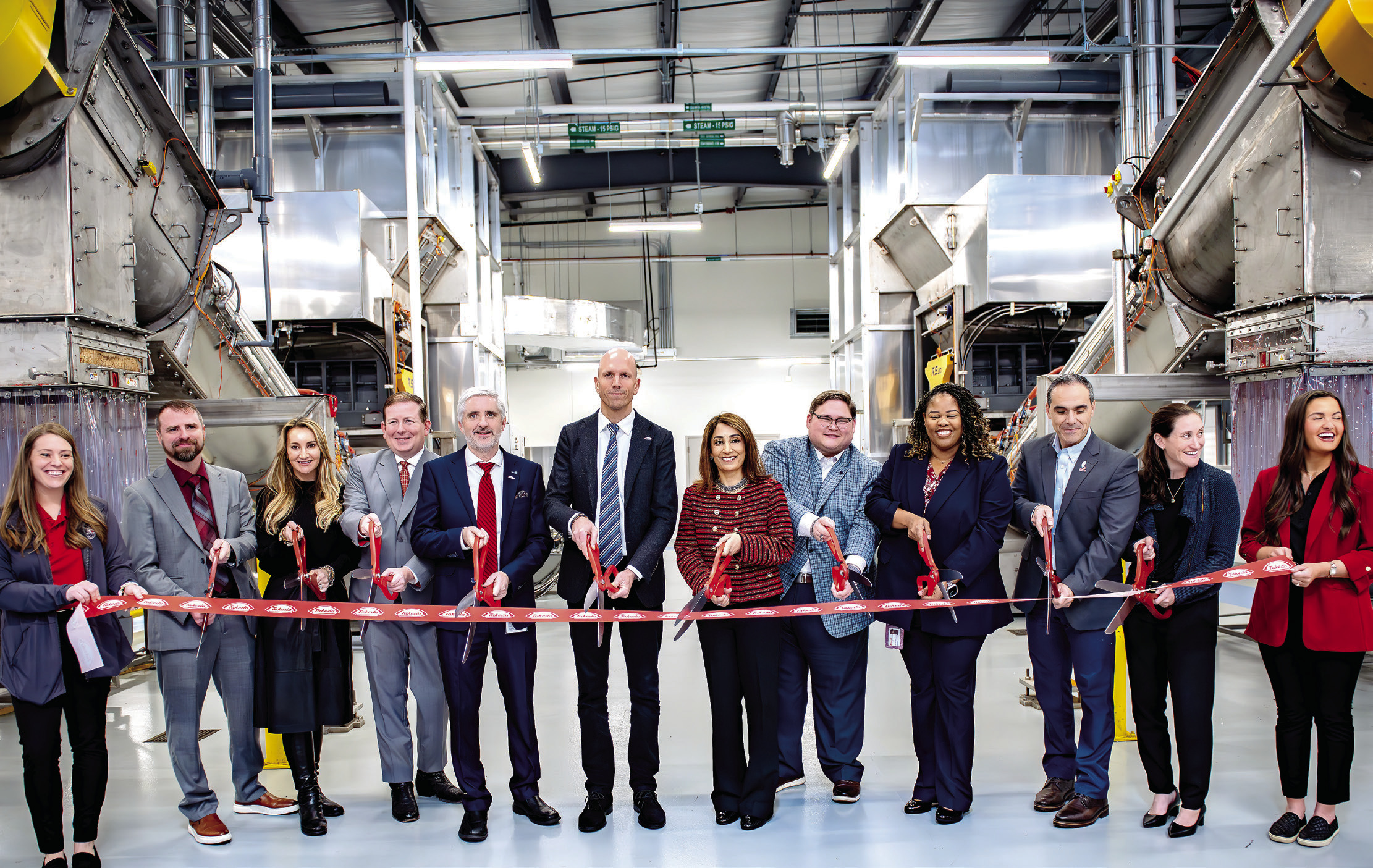
Pharmaceutical powerhouse Takeda opened a $10 million, state-of-the-art biomedical waste processing facility on Feb. 13 at its Stanton Springs campus near Covington.
The 1.1 million-square-foot campus manufactures plasma-derived immunoglobulin and albumin medicines to treat patients with rare diseases and critical care diagnoses worldwide. It houses one of Takeda’s BioLife Testing Laboratories, which tests samples of each plasma donation collected from BioLife Testing Centers.
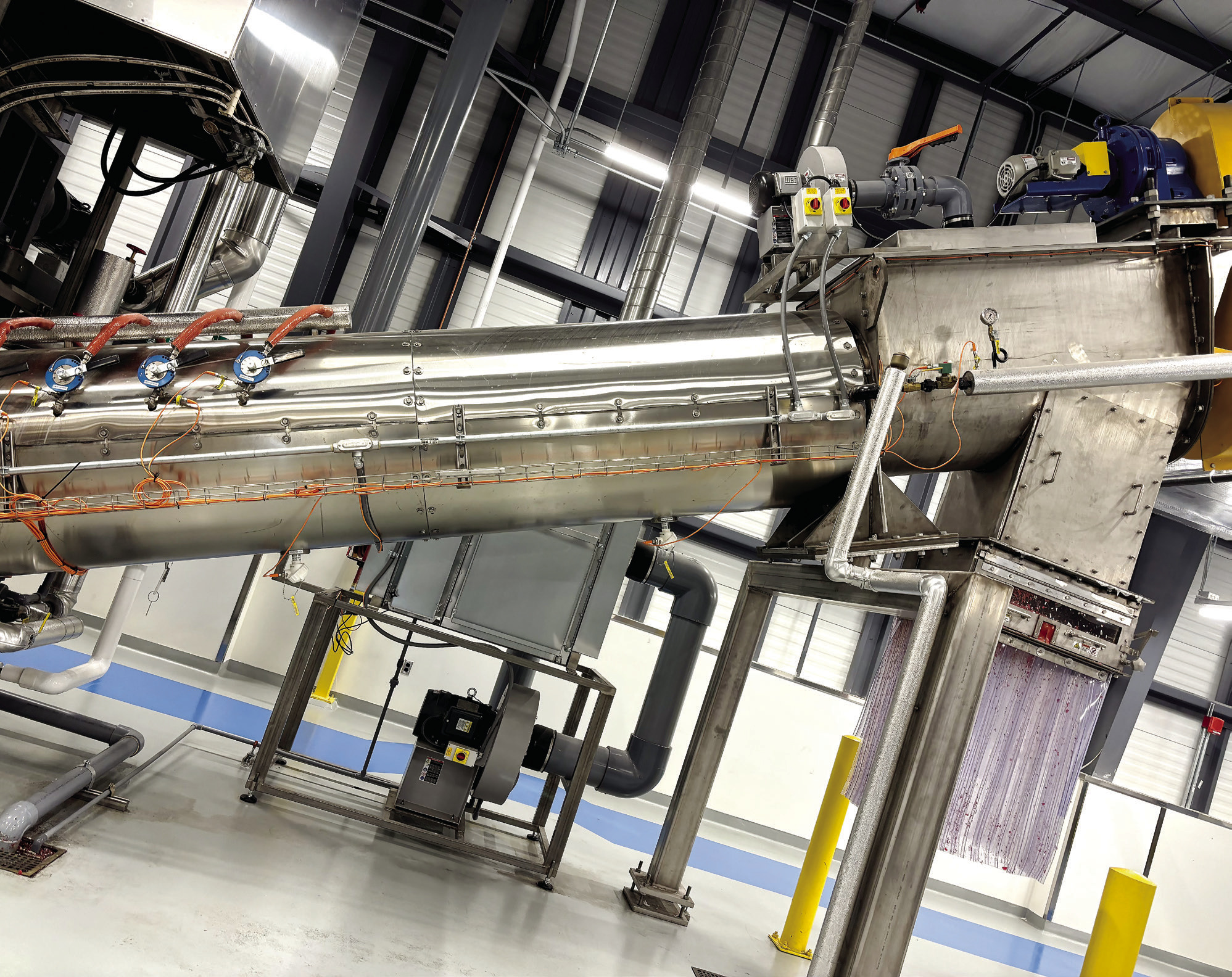
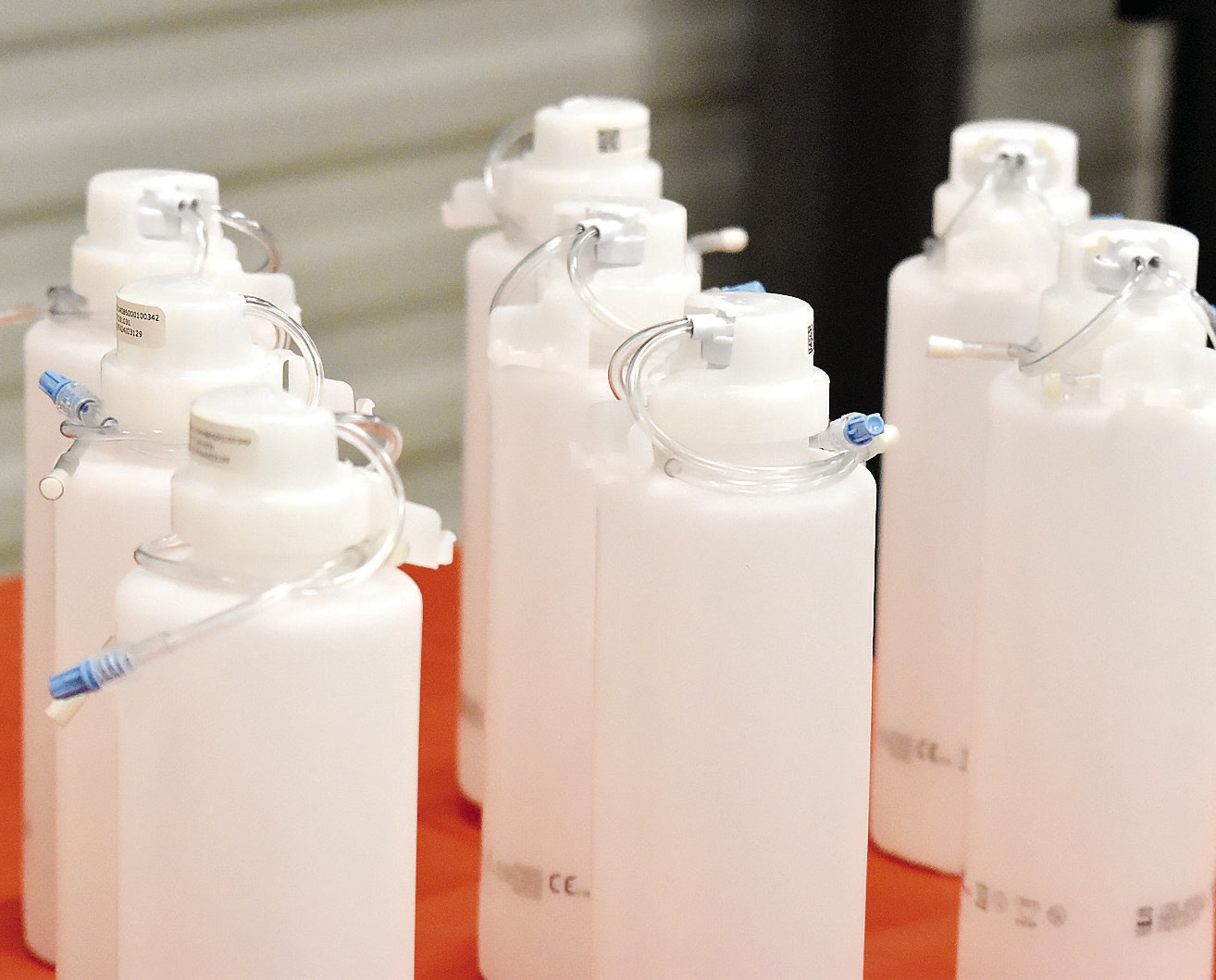
The 8,000-square-foot waste processing facility will sterilize and shred millions of plastic bottles and test tubes that pass through the site each year, diverting the waste from landfills.
According to Takeda leaders, the waste is managed and disposed of following state regulations. The bottles and tubes previously containing plasma are loaded into two electrically powered machines that can process up to 600 pounds of waste per hour.
The waste is sterilized, shredded, and heated to 200 degrees Fahrenheit to remove any biological materials. The shredded plastic is then sent to local recyclers, including Sonoco, in nearby Conyers, where it is converted into cable reels, buckets, pallets, containers, fencing, and flooring.
According to company leaders, the machines will shut down if temperatures don’t reach 200 degrees Fahrenheit, ensuring waste gets sterilized. Leaders noted other safety measures, including personal protective equipment for operators handling the waste, and quick processing to limit storage time in the facility.
The Covington facility joins a smaller processing facility at Takeda’s BioLife Testing Laboratory in Hoover, Alabama.
According to a company press release, more than 1.7 million pounds of plastic will be diverted from landfills between both locations in fiscal year 2025, accounting for over 22 percent of the Covington site’s waste and over 85 percent of the testing labs’ waste.
The release said the amount of biomedical waste diverted from landfills is expected to reach 2.6 million pounds by fiscal year 2030.
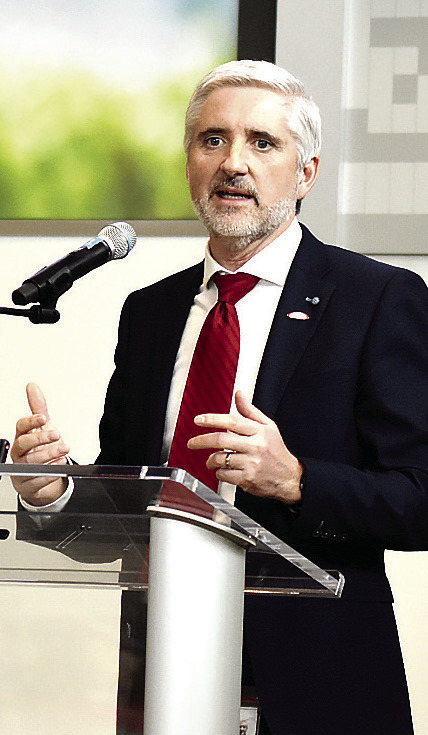
“These efforts divert waste from landfills, save resources, reduce costs and logistical challenges at our site, and support our state’s economy by supplying recycled plastic to regional companies to manufacture new products,” site head Cyril Buckley said.
The processing facility is part of Takeda’s goal to be a zero-to-waste landfill site by 2030, its commitment to a healthy planet while meeting the growing demand for plasma-derived medicines.