
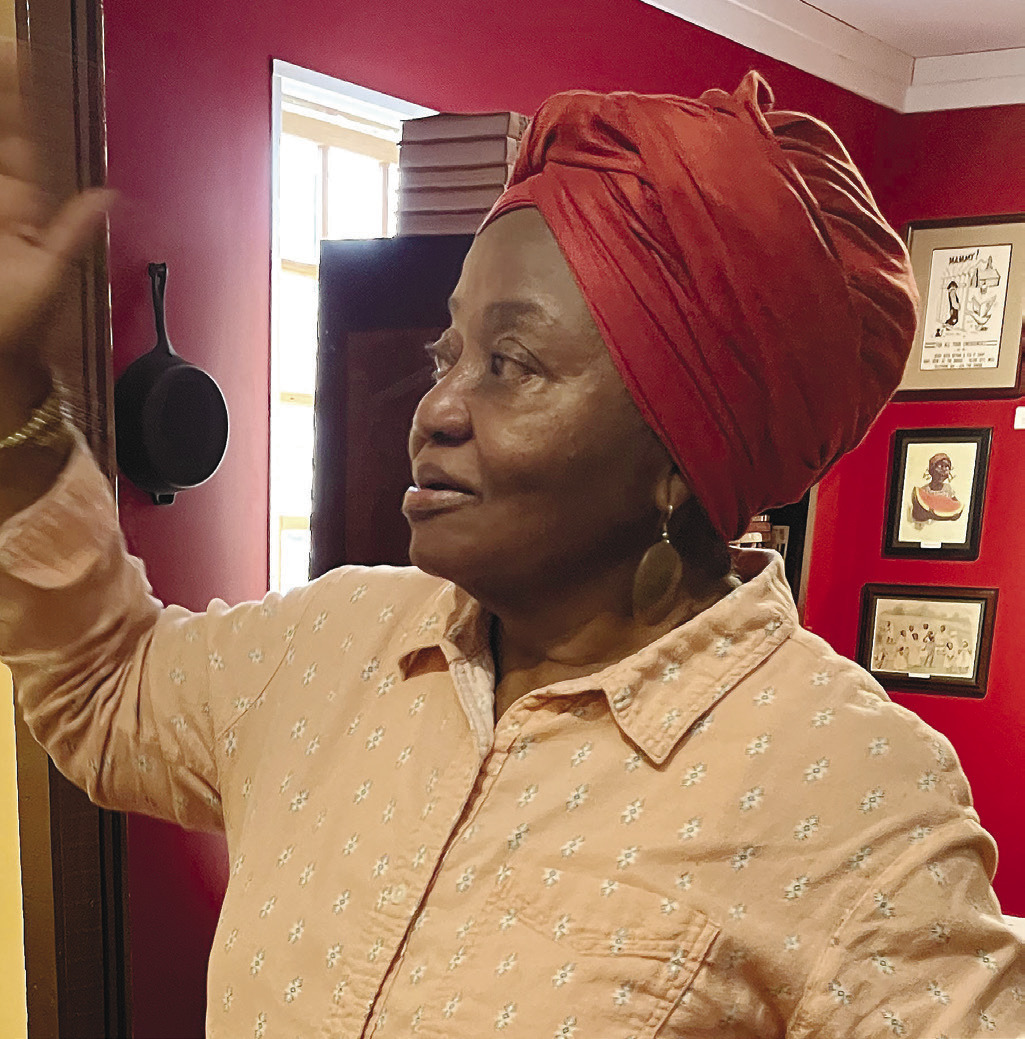
The Greene County African American History Museum is only about 16 months old but it has been living in Mamie Hillman’s heart for decades.
The museum’s founder and director grew up in White Plains and attended what was then the all-black Hubert English Elementary School.
“They would allow us to clip pictures out of these Ebony magazines,” Hillman told the Lake Oconee News recently, “and put in a scrapbook, pictures of blacks who are making a difference to our world. And that let me know that ‘you are significant,’ what you do in life, you make history every day and it doesn’t necessarily benefit you, it does for others, it makes our world better.”
Her life has been dedicated to researching, discovering and collecting stories about African Americans, primarily in Greene County.
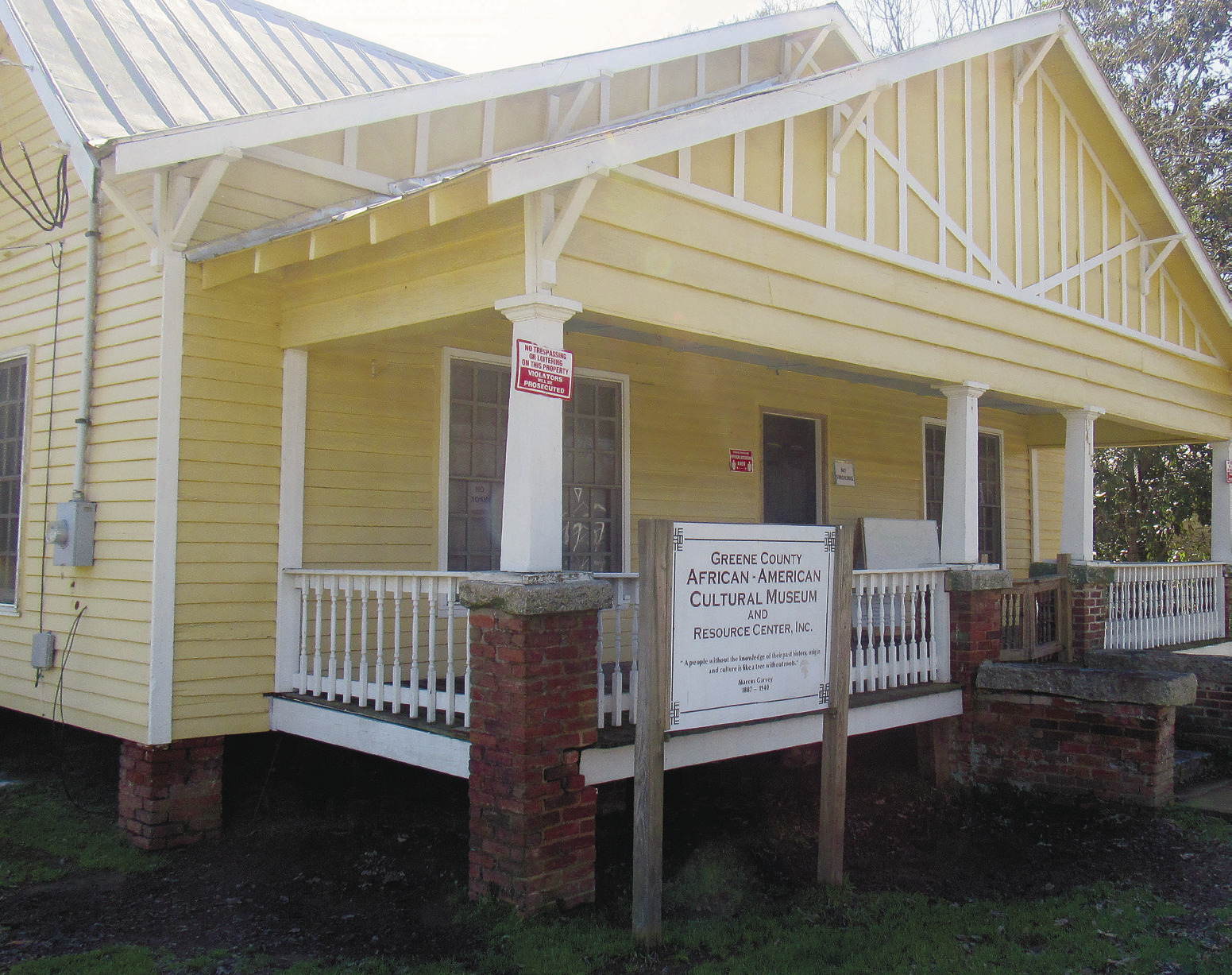
In 1995, she convinced the owner of an old rundown home built in 1924 to donate it for use as a museum. It wasn’t just any home, it’s where Greene County’s second African American doctor, Calvin Baber, lived and was listed on the National Register of Historic Homes in 1987.
In 2004, she wrote a book, “Greene County, Georgia,” about African American life from 1845 to 2001.
“It’s truly beginning to preserve the history of African-Americans in Greene County,” she told the Lake Oconee News in a May 2004 article.
She says her husband of 49 years, John, did the “heavy lifting” as they and a few friends restored the old house to a museum that officially opened in September 2021.
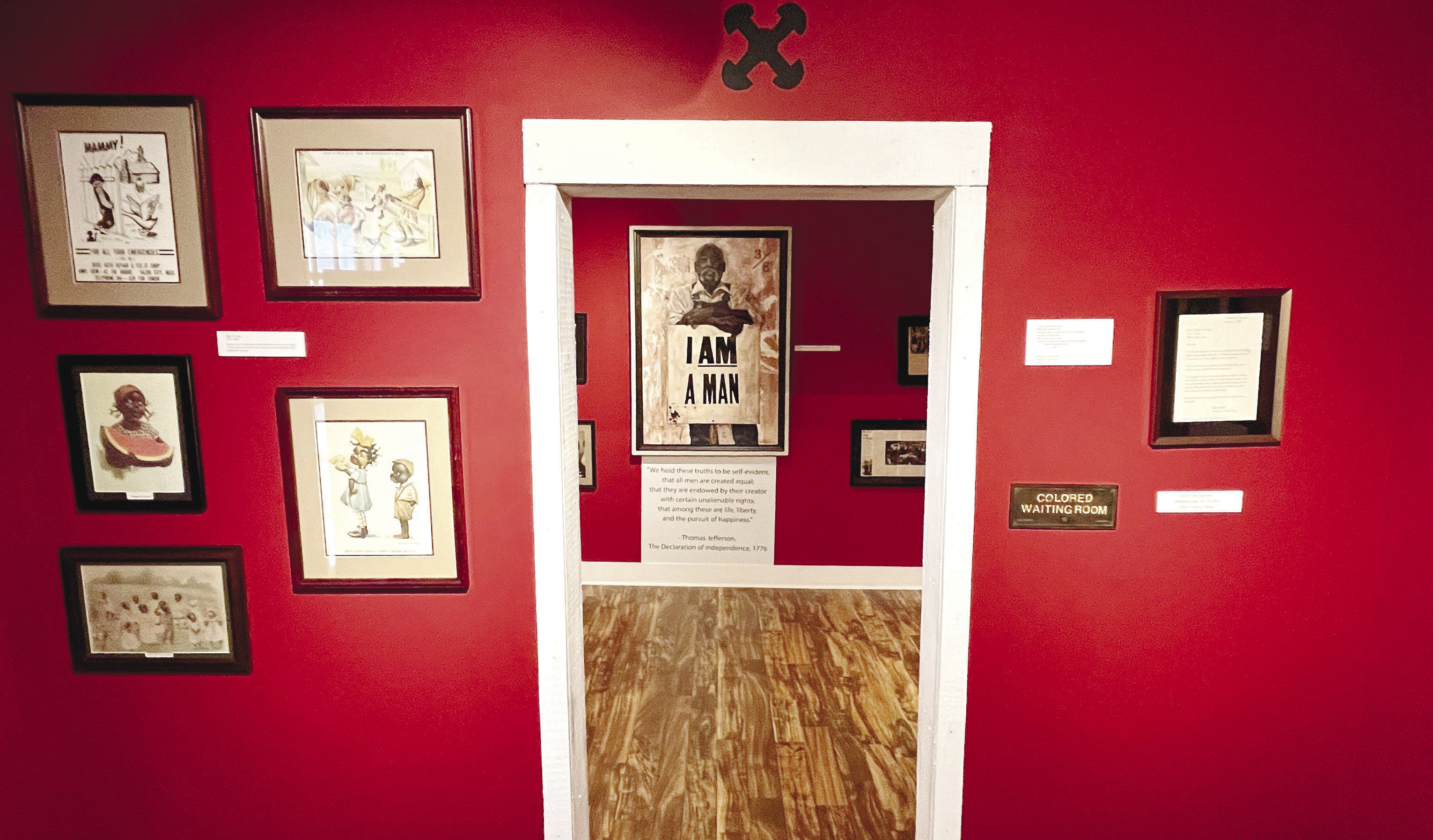
Although she says it is very much a work in progress, visitors will find pictures, correspondence, photos, documents and other fruits of her labor mounted on the walls of rooms in the Baber House.
“This space right here is in honor and tribute to Abram Colby who was Greene County’s first black representative,” she explained about the first 33 African Americans voted into the Georgia legislature in 1868 during Reconstruction. They were expelled on a majority vote of the other legislators. The story is an important part of the museum.
“They were brilliant, upstanding men who just wanted to be and become and they were not allowed to be,” Hillman said. “Most of them were in danger of being killed, some were killed and their families were never the same.”
The next year, the Georgia Supreme Court ruled the men should be reinstated. Mamie Hillman has a deep passion and commitment for the museum.
“Mr. Benny Asbury was the first black on the (Greene County) Board of Commissioners,” she points out to a recent visitor, “Mr. Eli Jackson was the first on the Greensboro City Council.”
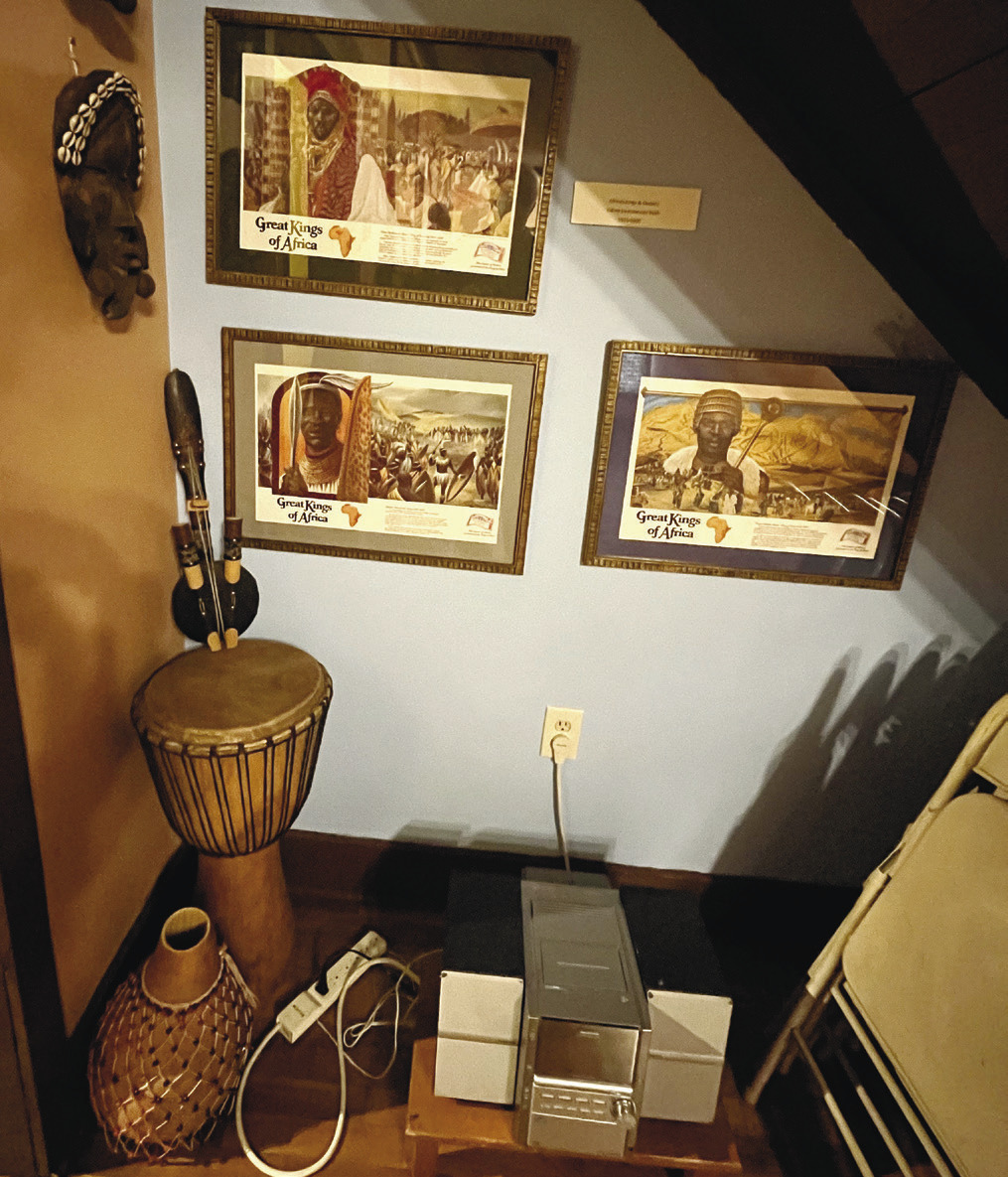
While the focus is on Greene County, other aspects of African American heritage are also on display.
“These are the people who told their stories about being slaves and in Africa to a writer,” she explains, pointing to one wall. “These right here are about the Tuskegee Airmen,” she says pointing to another wall. “The artist contacted each of the pilots and they signed off on the image of the plane that they flew.”
The museum is six modest size rooms about the past but Hillman is concerned about the future. She says she gets no funding from local governments.
“I used to direct the African American Museum in Madison. Every quarter the city donates to all historical venues,” she says, ”Most of my funding comes from outside of Georgia and it shouldn’t be so.”
There is a GoFundMe page and the museum is promoted on local tourism websites. The Greene County Convention and Visitor’s Bureau provided, as it does for many local historical locations, an interactive audio box outside in front of the museum that explains local African American history for the push of a button.
Mamie Hillman’s commitment to preserving local African American history extends beyond the museum to a Greene County cemetery 7 miles away. About two years ago, she says, she and others discovered grave markers of slaves in the underbrush just outside the brick wall surrounding the cemetery in Penfield.
“We have people coming from Atlanta and other places finding their great grandparents out there,” she says. “(They) had no idea where they were buried. Finding them out there, in all those vines and deer manure and all that stuff.”
She says Mercer University, which was founded as Mercer Institute in 1833 near that site, is scanning the ground to help volunteers search for the graves.
“Everyone should know their history,” Hillman says. “And we’re not as fortunate, as African Americans. We need to acknowledge this. We need to unearth. We need to preserve that which we do find. “
On Sept. 9, the museum will hold a tribute dinner for Abram Colby and the 33 expelled legislators.
The Greene County African American History Museum is located at 1415 Northeast Street in Greensboro. To make an appointment to visit, contact Museum Director Mamie Hillman at mamie@gcaam.org.