
There are over 4.2 million licensed Registered Nurses (RNs), 950,000 practical Nurses (PN) and over 325,000 nurses practitoners (NPs) in the United States. Even though there are four times as many nurses in the United States as physicians, nurses are in critical supply. Many have jumped the bed side for corporate based positions in medically oriented jobs such as pharmaceuticals and consulting for better pay and upward mobility. But, still many stay in medical offices, hospital, outpatient centers, geriatric wards and other facilities. My daughter is one.
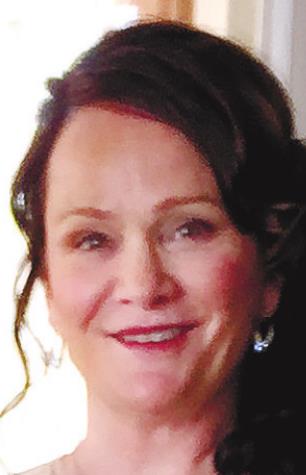
I will talk unabashedly about Katherine. Katherine attended nearby Georgia College and State University’s Nursing School. It was a difficult program, still is and is recognized as one of the best in the state. Its values include the development of nurse leaders engaged in evidencebased practice, lifelong learning, and civic participation to serve the healthcare needs of diverse population. Its clinicals, which takes students into real life application, partners with hospitals in Warner Robbins and Macon. In my daughter’s case, it was Warner Robbins for a 6 a.m. report, often not coming back to Milledgeville until 9 p.m.
Often the cases seen were difficult and in one such case for Katherine, it was a domestic violence victim that almost saw her change her major. A call came home to us with her very upset and crying. After instructing her to pull off the side of the road and calmly tell us what was going on she said she was on her way back to her home after long clinicals in Warner Robbins. There, she encountered a young patient beaten black and blue with tubes and assorted medical devices that she needed to monitor. It upset her badly.
“How can people do this, Mom,” she said. “I can’t do this. I can’t see this every day. I don’t know what I was thinking.”
We encouraged her to speak to the Nursing College academic advisor and soon learned this was not new. It is never new to a young student learning to care for victims of violence beaten black and blue. Sadly, it becomes routine in many cases but often, they, the nurses, become critical to the healing necessary.
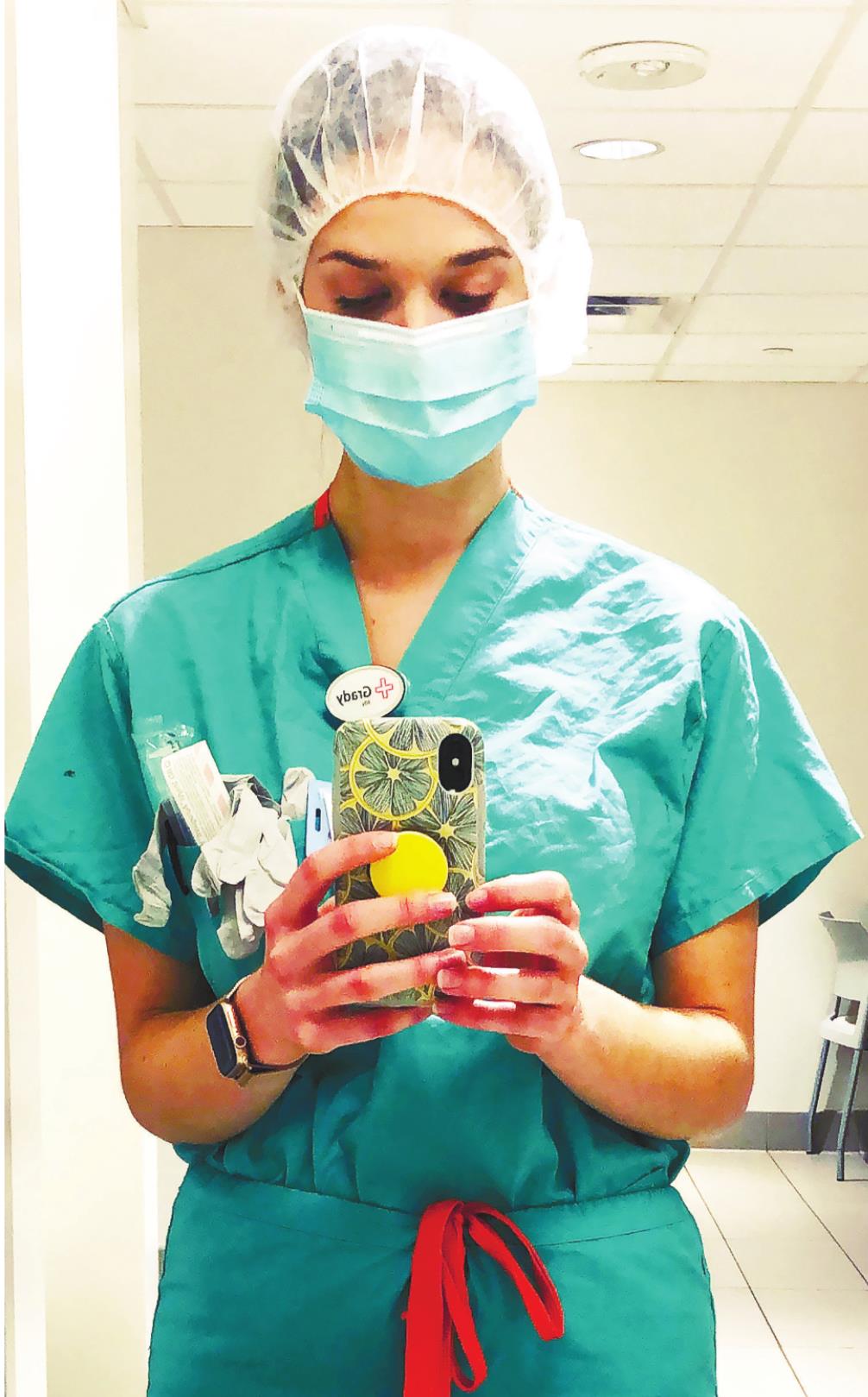
Katie stayed in the program. She flourished and graduated in 2016. Her employment options were good and she started out in the transplant unit at Piedmont downtown Atlanta. She saw life saving surgery, transplanted kidneys and pancreases, blood, urine and vomit. She had come a long way. But she was setting her sights on trauma and emergency medicine which soon took her to Emory midtown and eventually Atlanta’s mothership, Grady Hospital. She once said she loved the controlled chaos.
But then COVID hit. She was in the thick of things and one of the thousands of health care professionals in the United States battling a disease so brutal and unknown it could kill in 48 hours. Calls home were equally as brutal relaying the events of the day, the sickest of patients, the lack of protective clothing, the whispered comments from the doctors so as to not scare staff. It was too much. We begged her to quit. We were frightened for her and wanted her safely home. Yet, she chose to stay. She is now a strong advocate for vaccination and often commented she wished she had had a GoPro camera to document the severity of the crisis throughout the full day for the public.
So, on this National Nurses Week, I want to commend my daughter, Katherine Stratton Payne, many of my good nurse friends, my deceased RN Mother and all the other committed nurses out there who play an integral part in America’s health care system. Not all heroes wear capes but most claim to be a nurse.