
The marker honors Abram Colby (1820-1872), one of the Original 33
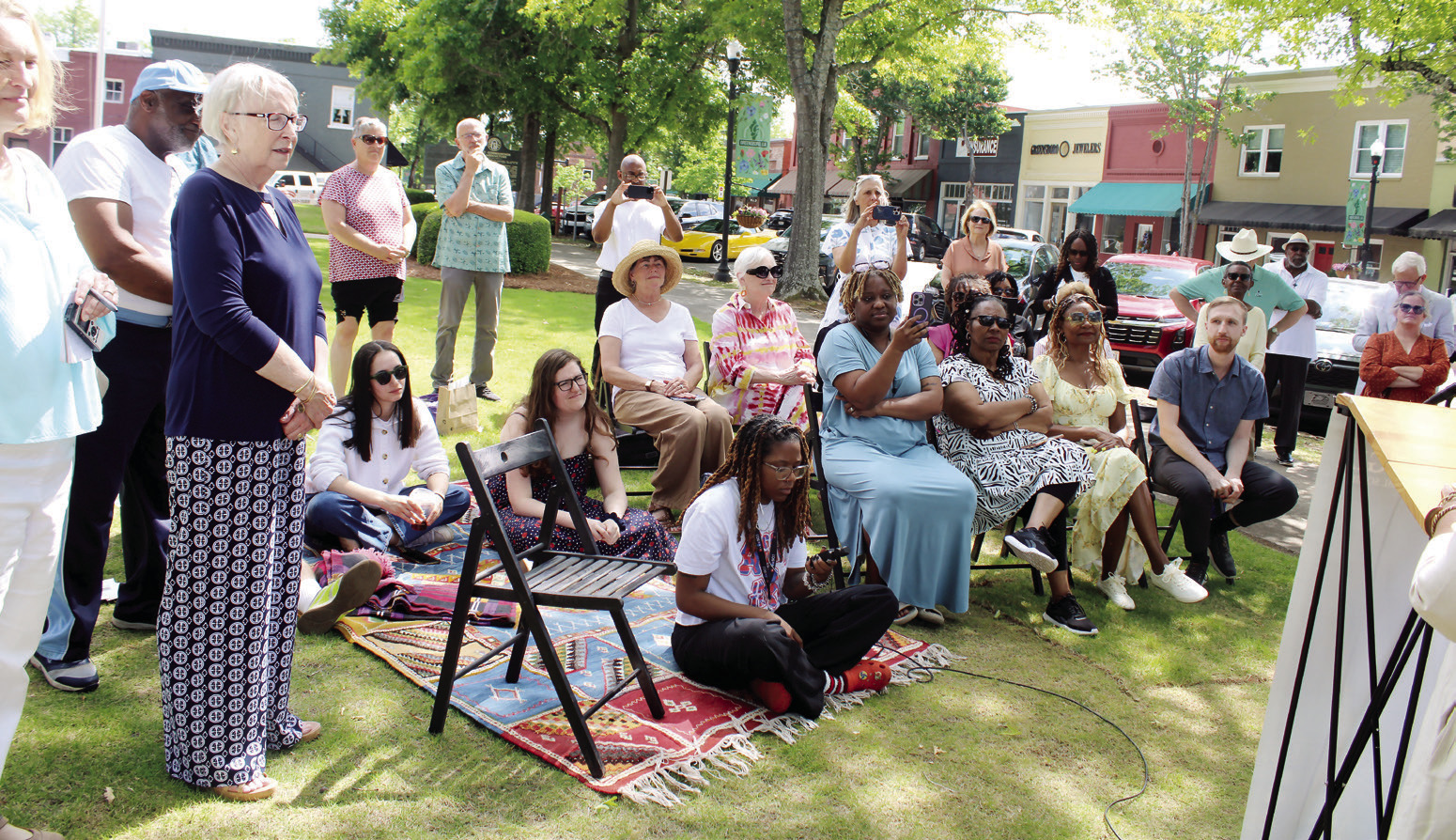


In 2026, the Georgia Historical Society will install only five new historical markers across the state—one of which was unveiled Sunday on the courthouse lawn in Greensboro.
The marker honors Abram Colby, one of the “Original 33,” the first Black members elected to the Georgia General Assembly in 1868 during the Reconstruction era. Colby, a Republican state representative, was a lifelong resident of Greene County at the time.
Those 33 newly elected Black legislators were swiftly expelled by their white counterparts, who claimed they were ineligible to hold office because of their race. In 1869, the Georgia Supreme Court ruled that Black lawmakers had the right to hold office and reinstated those who had been expelled.
During that period, the Ku Klux Klan carried out violent and often deadly attacks against newly freed Black citizens. One night, members stormed Colby’s home in Greensboro and beat him so severely that he was left partially paralyzed. Despite this, Colby refused to be intimidated and continued his work advocating for civil rights in Georgia. He later testified before a federal congressional committee about Klan violence, contributing to prosecutions and shifting public perception, as noted on the historical marker.
Colby died in 1872 under circumstances that remain unclear. Historian Greer Brigham has written that Colby was returning home on a night train from Atlanta to support a political ally when he died. While no definitive account exists, newspapers across the state reported that he died aboard the train.
Brigham worked alongside Mamie Hillman, founder of the Greene County African American Museum, to research and bring renewed attention to Colby’s story. Brigham authored the successful application for the marker.
At Sunday’s ceremony, Brigham emphasized both the timing and the location of the marker.
“This exact week in 1868, freed people were allowed to vote and to run for office, as Abram Colby did, and they cast their ballots in this very courthouse,” he said, gesturing toward the building. “Because of intimidation from the Ku Klux Klan, they marched over this hill to vote together in this building. That’s why this location is so important.”
He expressed gratitude to the Georgia Historical Society, Hillman, the Greene County Board of Commissioners, and the Colby family, calling it “the absolute honor of my life” to help tell a story that had long been overlooked.
Greensboro Mayor Corey Williams also spoke, noting the significance of Colby’s legacy.
“It’s because of men like Abram Colby that enabled men like me to run for and win elections,” Williams said to those in attendance.
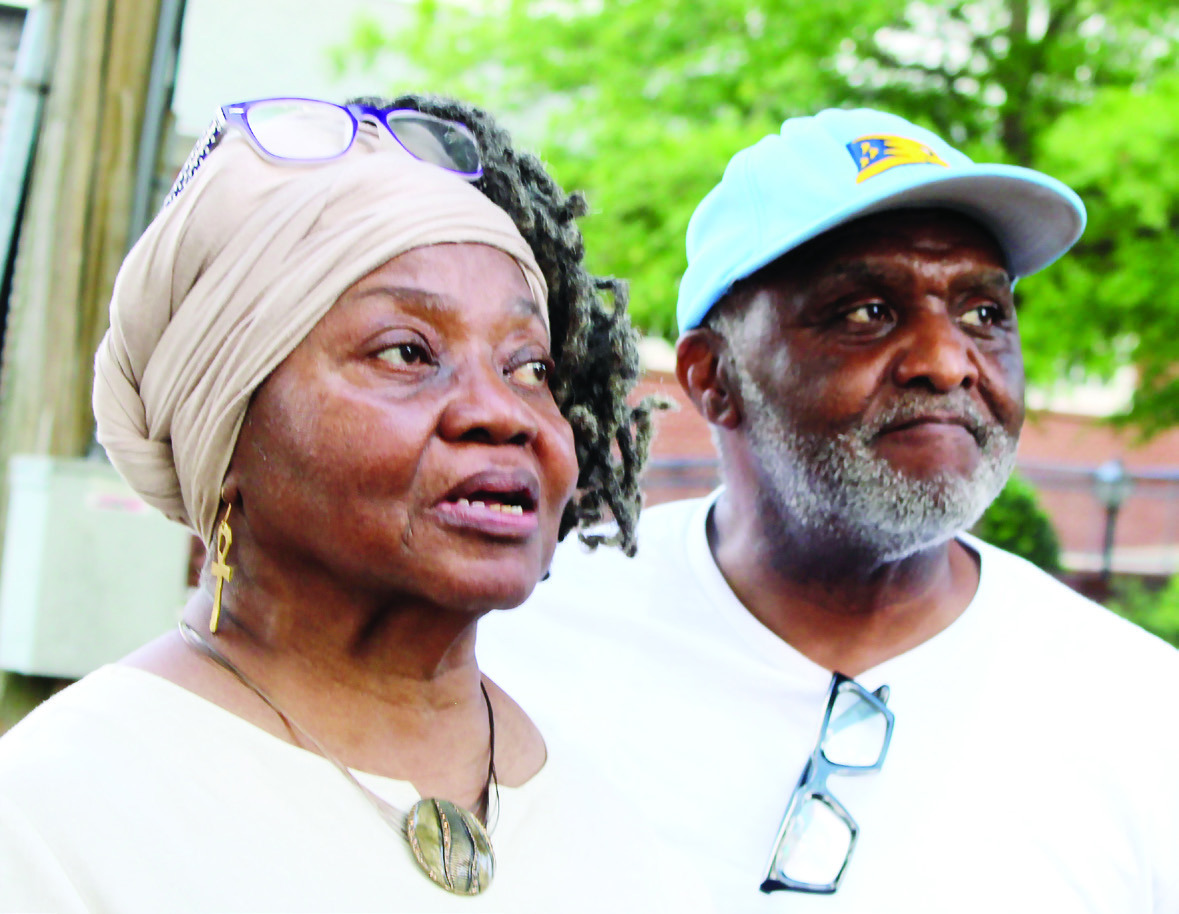
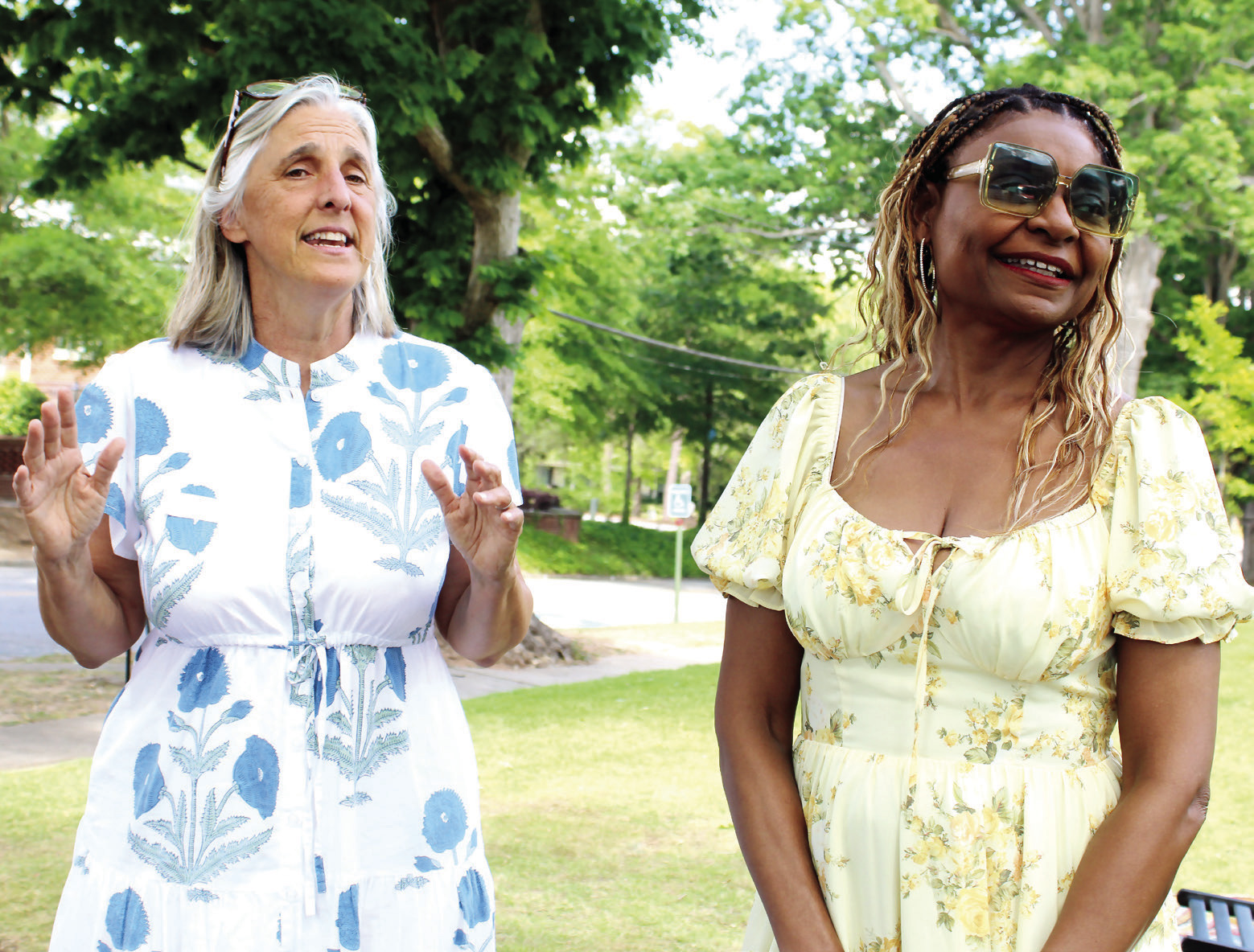
Hillman served as master of ceremonies. Her niece, Beverly, reflected on her childhood in Greensboro, read Psalm 67, and offered a prayer. Hillman’s daughter, Leah Smith, performed “The Impossible Dream,” and Greensboro Mayor Pro Tem Jontavius Smith also delivered remarks. Pamela Colby, Colby’s great-great-granddaughter, traveled from New York to attend and spoke with emotion.
Brianna James, program manager for the Georgia Historical Society, thanked Hillman for her “tireless work” and acknowledged the museum’s board for its support.
She noted that Colby’s marker joins more than 2,200 historical markers across Georgia and represents the broader story of Black political leadership during Reconstruction—a time when leaders like Colby advocated for civil rights, education, and fair labor in the face of fierce and often violent opposition.
“Historical markers share stories like these in bite-sized pieces,” James said. “But they are accessible. Anyone can walk up and learn about the people and events that shaped a place. Colby’s story reminds us of our state’s rich and complex history—and helps us better understand the world today.”
The Abram Colby historical marker is located near the sidewalk at the corner of Main Street and East Greene Street in downtown Greensboro.