
New treatment plant ready for testing
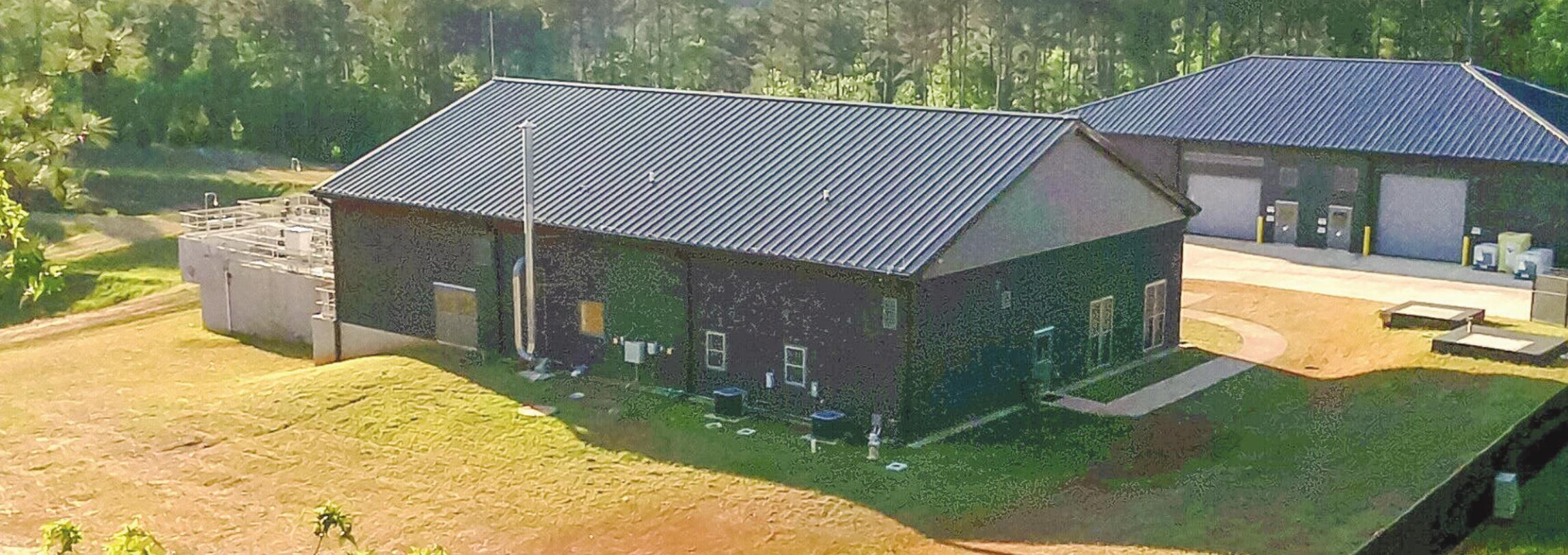
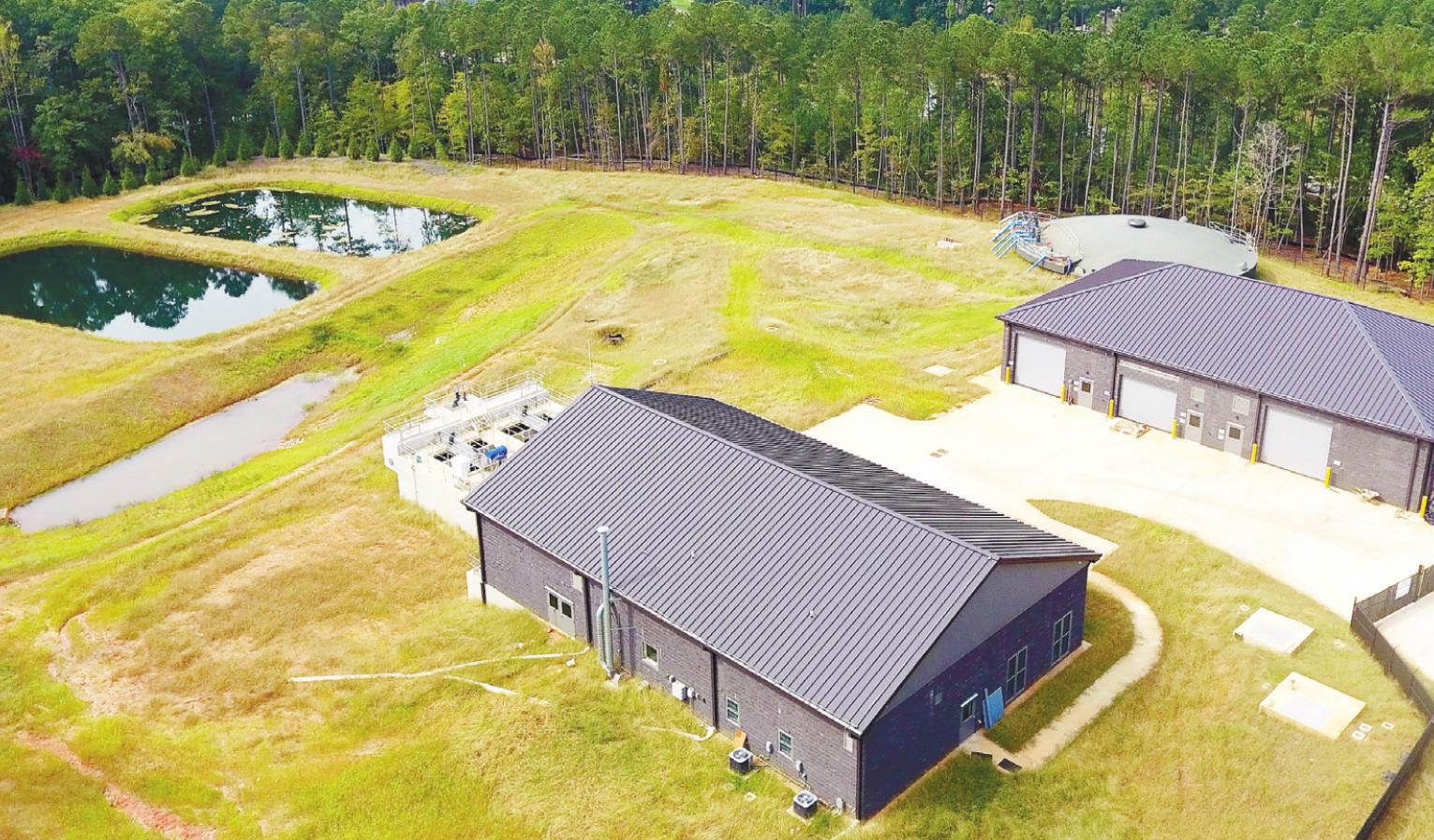
On Tuesday, April 26 members of the Georgia Environmental Protection Division (EPD) drinking water division inspected the new Piedmont Water Treatment Plant off Kings Way Road in Reynolds Lake Oconee.
The $15 million plant, which began construction in October 2019 at a projected cost of $8 million, will soon provide water from Lake Oconee to residents and businesses in the Reynolds Water System in Greene County. Like many areas, the system now gets water from about 22 wells. The service area includes Reynolds properties and other residential areas such as Del Webb and Vintage Club. It runs generally up to Lake Oconee Academy, including St. Mary’s Hospital and other businesses along Lake Oconee Parkway.
“They’ve done a good job building the plant. It took a little while but they got there,” Manny Patel, Drinking Water Program Manager for the Georgia EPD told the Lake Oconee News. He was happy with the inspection.
“The physical aspects of the plant were verified,” Patel said. “Looks good. The plant is well kept. Clean. Built as designed. Got good operators in place. Verified the sampling points. The meters are working. We tested all that out. We looked at the chemical room, where they’re injecting chemicals. It’s an impressive treatment plant.”
This will be the 105 th water treatment plant in the state and the first to be operated by a private company. Patel says there are 2,377 total water systems in the state. Some are large, others are wells that serve one family or one business. A total of 1,561 systems are privately owned, like Piedmont Water. Municipal, county or other government bodies operate 816 systems.
Piedmont Water did not respond to messages left by the Lake Oconee News for information to include in this story. Patel says the company plans to hold a public meeting and publish information in the newspaper to explain the switchover to customers who are affected.
Piedmont Water is licensed by Georgia Power to draw as much as five million gallons of water from Lake Oconee every day. The water treatment plant has a capacity of two million gallons a day and Patel estimates that only half of that will be needed at startup.
The next step is a 30-day testing period followed by EPD’s two-week evaluation of the test results. If things go well, the plant could go online in two months, according to Patel.
Water Testing
Years ago, Patel says, the water from Lake Oconee was checked for temperature, PH, carbons, clarity and other content to make sure it was treatable to become drinking water.
The new plant will intake the water, add a coagulant such as Aluminum Chlorohydrate to remove turbidity, color, and some bacteria from water. If needed, the plant has a polymer-based coagulant to use as backup as well as chemicals to treat algae if that is seen in the lake or cloudy water created by storms.
The sediments are removed in the sedimentation basin and the water is filtered through sand and Anthracite to remove organics and bacteria. Sodium Hypochlorite, similar to but stronger than household bleach, is used to disinfect the water. The disinfected water is then pumped into a clear 500,000 gallon well to wait for distribution in the system.
Once it’s operating, Patel says the system is tested every 15 minutes for turbidity and residual chlorine and those results are reported to the agency monthly. Bacteria is tested monthly. Lead, Copper, Radionuclides, Inorganic compounds, Volatile organic compounds and synthetic organic compounds are tested every three years. Test results are posted on www.gadrinkingwater. net website as soon as they’re received.
“They (Piedmont Water) take a sample and there’s a chain of custody of the sample and it goes to the labs that are audited and certified by the state,” Patel explained. “We have software that we monitor the sampling locations. disappear as well.”
You will see a difference in your water bill to compensate for the costs of the plant.
What’s the cost?
In recent years, Piedmont Water has been silent on what the increase will be but six years ago, when the plant was first being discussed, a company official projected that there could be a $25 per month hike in residential bills.
At the time, when they estimated having 10,000 customers, he said they were trying to figure out ways to move some of the cost to other items such as tap fees for new construction. And since then, new construction has exploded in the area which is adding more homes and customers. Every month we will go in and run that software and it will tell us if they didn’t sample. So, it’s not a question of trust. If they didn’t sample, we’ll pick up the phone and say, ‘what happened?’ We have about eight folks who are monitoring water systems across the state.”
What’s different?
Patel says you will taste the difference. Surface water has fewer minerals and less alkaline than well water. In the summer, some people might taste more chlorine than they’re used to.
“After the transition, you won’t need a water softener anymore because lake water is soft, not as hard as ground water,” he says. “The quality of water. If you have any taste or odor issues because of iron and manganese, that’s the common complaint, that will go away for sure. Spots on your dishes in dishwashers, that should
“They had to invest $15 million to build the plant and that’s not cheap for a small 2 MGD (million gallons daily) plant,” Patel adds, “So, I think that shows a commitment to put out good quality water to their customers. The ROI (return on investment) on these plants are not great. It takes about 30 years to recoup. That’s why most of them are owned by municipalities and not by private water systems.”
As a private company, Piedmont Water sets its own rates although some are negotiated with large developments and companies. Customer service and maintenance are provided without oversight from any governmental body except for water quality by the Georgia EPD.