
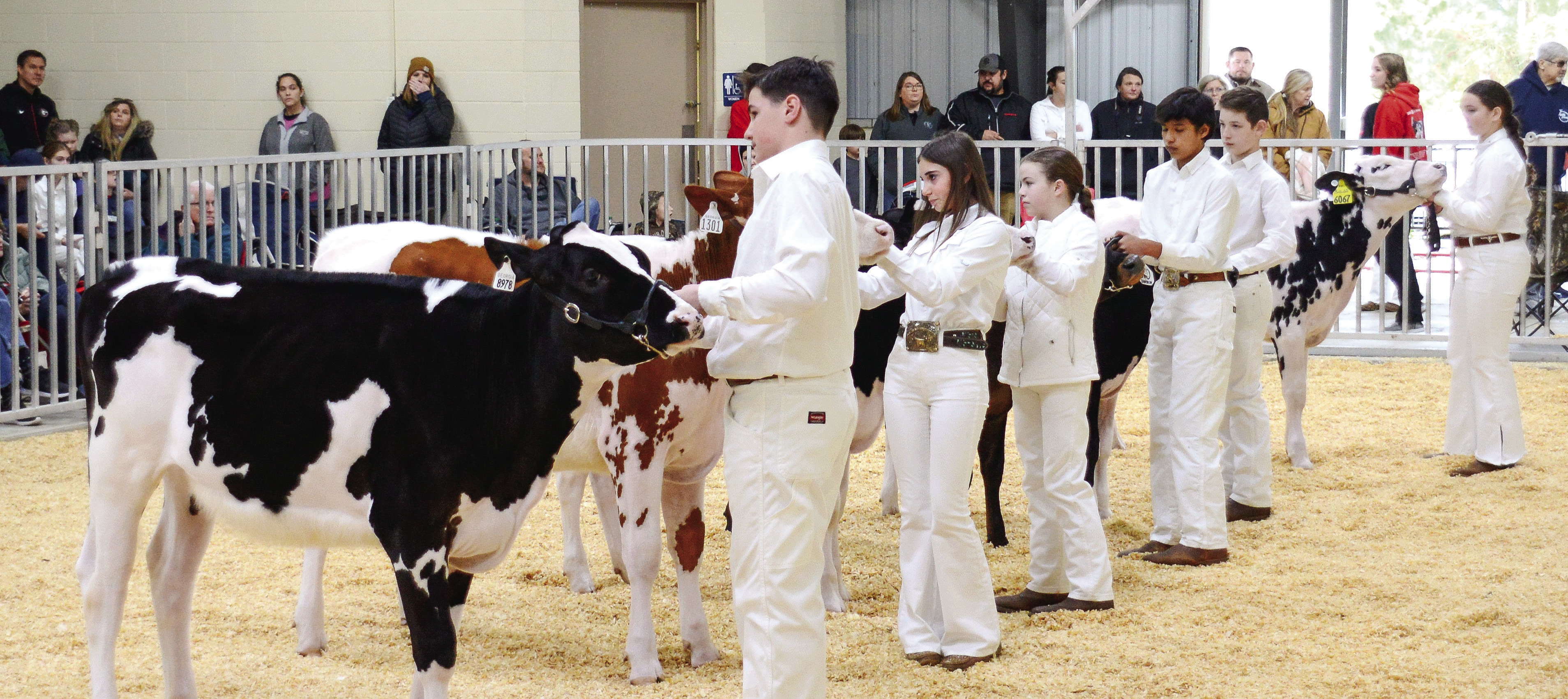
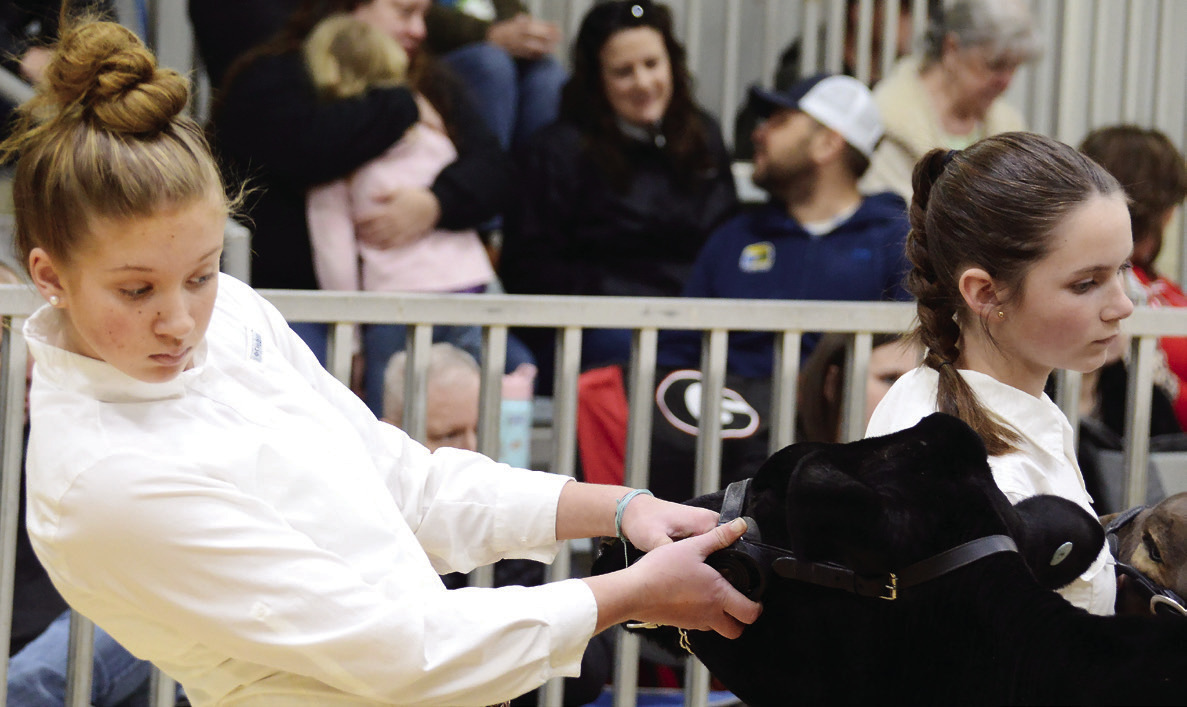
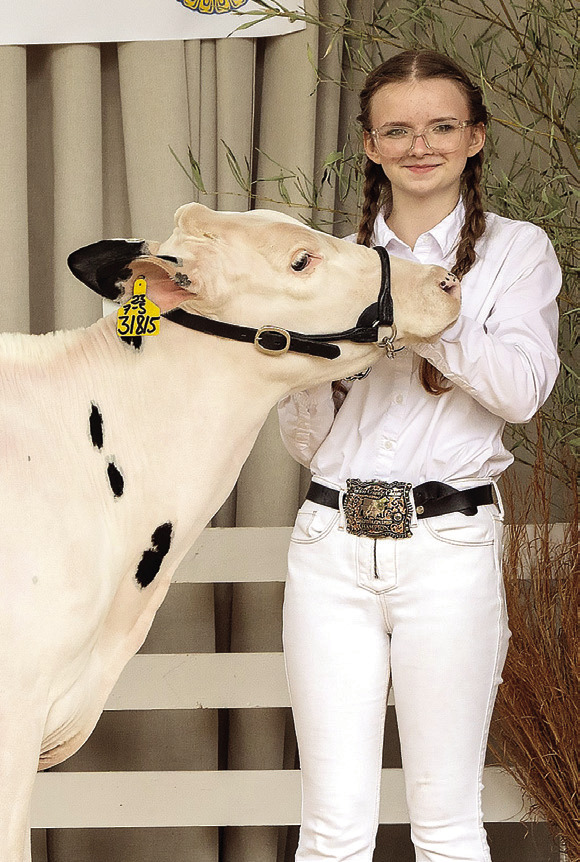
One by one they enter the ring, led by students as young as eight years old to seniors in high school, these docile bovines have been shampooed, groomed, and even taught to stand still with their hooves and legs set just so to best impress the discerning eye of a veteran judge of prime dairy heifers.
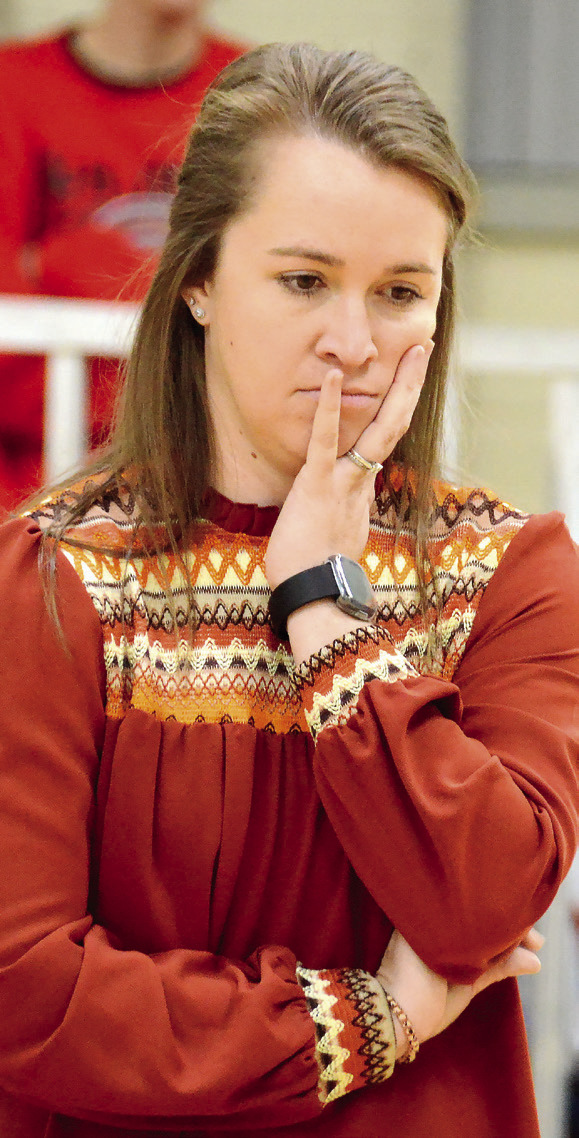
This is serious business for these young showmen and show-women, a business betrayed by their eyes as they intently watch the judge’s every move, glance, and gesture for the slightest hint of what she or he may be thinking, seeing, or looking for.
Approximately 140 agricultural students from more than 20 Georgia schools, accompanied by about 180 head of dairy cattle, descended on Putnam County High School (PCHS) this past Saturday for the 17th annual Briar Patch Classic Dairy Heifer Show.
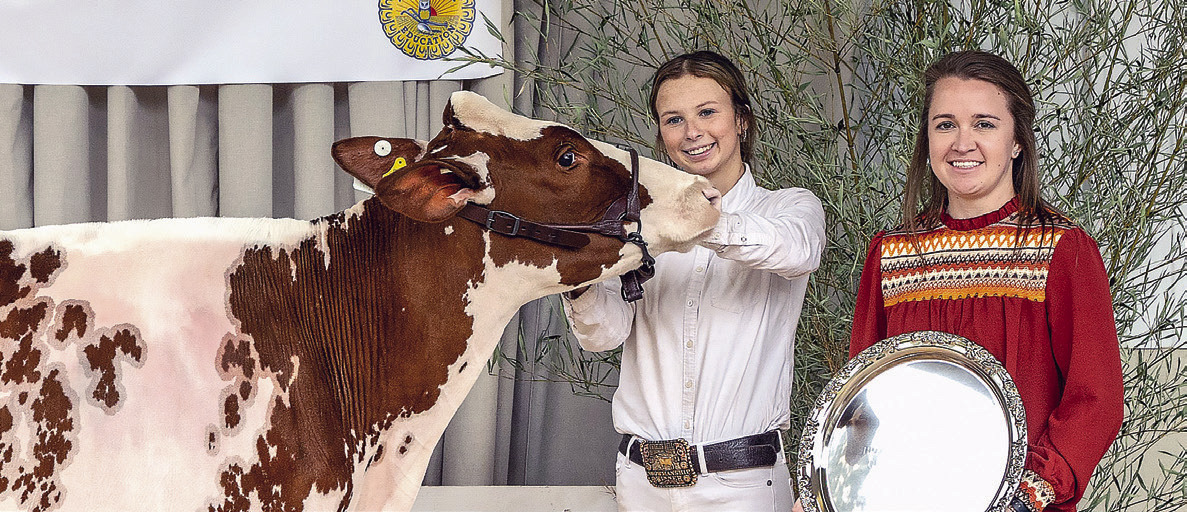
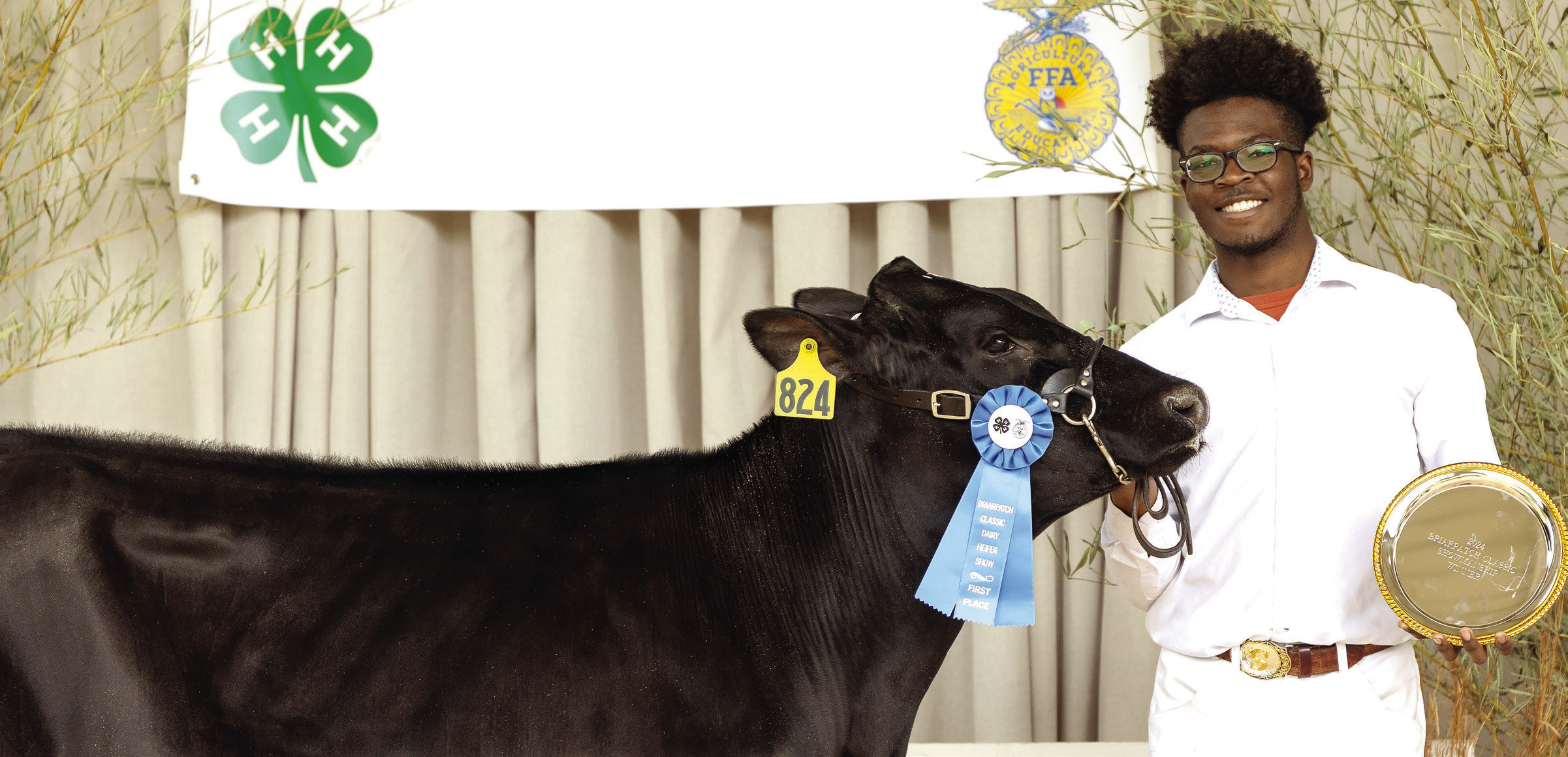
“We’ve seen tremendous growth over the years, students from all over the state. Most come in on Friday night, but some come on Saturday morning,” Agriculture Education Advisor Kelly Smith explained. “We offer prize money and nice awards, nice rosette ribbons, community sponsorship, providing these scholarship opportunities for students and award opportunities. It’s fantastic.”
Smith explained third and fourth graders compete together, usually because so few typically enter, but grades 5 through 12 all compete individually, usually with about a half-dozen entries, though two or even three groups per grade level may sometimes be necessary.
“It all just depends on how many show up,” Smith said.
The heifers in the PCHS show were all born between the spring and late fall last year, so there is a significant difference in size among entries, though none appear to be fully grown yet.
“We have 10 weight classes, and they range from the smallest cow to the largest and we split them up between about a 25-to-35-pound difference,” Smith explained. “So those weight classes can change from show to show, it all just depends on who shows up.”
Many of the student entrants grew up on or continue to live on farms, while others may be urban apartment dwellers.
As long as they have access to a school or 4-H program that provides facilities and cattle to work with, they all can participate in dairy heifer showing.
“I just really want the community and people who are unfamiliar with this to realize how much work it takes,” Smith said. “These kids get these animals in the summer, and then they keep them and work with them every single day. It is more practice than athletics because the animal has to be cared for.
"It has to be worked. And they show up until February, and then we get a soft break before we start the process all over again for the fair season. So, it is a lot of work and the kids really should be recognized for their hard work.”